


The Asian Scientist 100
Di Li

Institution
National Astronomical Observatories of the Chinese Academy of Sciences
Country
China
Field
Aerospace & Astronomy
Li received the Marcel Grossmann Award for his pioneering contributions in the field of fast radio bursts. Li is the first scientist in China to receive this prize for research conducted within China.
(Photo: The Paper)
AWARDS
- Marcel Grossmann Award
Related articles

Epigenetics Explains Why Some Ants Prefer Diet Soda
Scientists in Japan have discovered that genetically identical ants vary in their threshold for sweetness, with implications on colony survival.

Termite’s Complex Gut Microbiome Sequenced
Researchers have sequenced the genomes of the bacteria living in the guts of termites, shedding light on how they enable termites to digest wood.

Why Asians Are More Susceptible To Severe Dengue
Genetics makes Asians susceptible to dengue shock syndrome, according to a study by an international team of scientists.

Preventing Hand, Foot and Mouth Disease From Reaching The Brain
A team of researchers from the National University of Singapore has identified a host protein involved in enterovirus 71 infection of the brain.

NAOJ Founding Director General Yoshihide Kozai Passes Away At Age 89
Dr. Yoshihide Kozai was well known for his work on the precise forecasting of orbital motions of natural or artificial satellites around the Earth.

Making Gene Editing More Precise
Scientists at Osaka University in Japan have developed a modified Cas9 enzyme that greatly suppresses the rate of unintended genetic mutation compared to conventional methods.

Asia’s Scientific Trailblazers: Michael Lai Ming-Chiao
A pioneer in coronavirus research, Michael Lai Ming-Chiao shares how a detour in his academic journey brought him to the battlefront of the SARS outbreak.
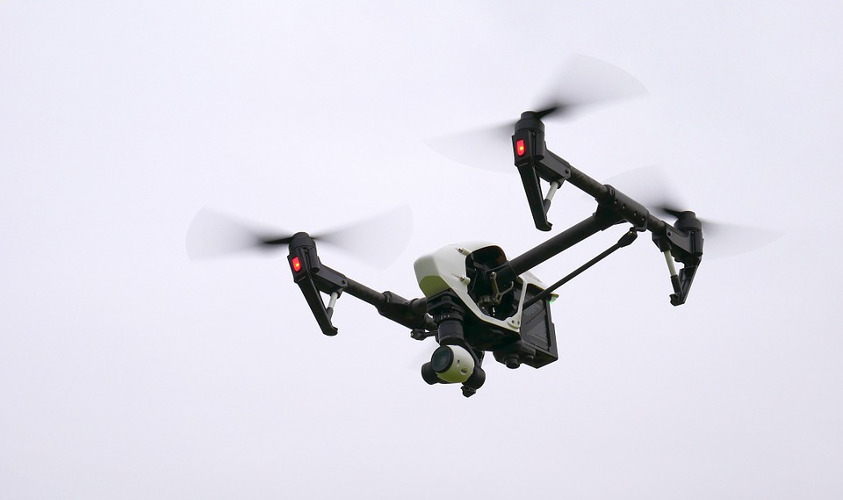
Tilted Rotors Make Drones More Stable
Researchers in Japan have demonstrated that the stability of unmanned aerial vehicles in heavy winds can be improved by angling the rotors of drones outwards by 20 degrees.

Facing Up To The Future
With facial recognition technology now widely used in law enforcement and in consumer devices, has privacy become a relic of the past?