


The Asian Scientist 100
Di Li

Institution
National Astronomical Observatories of the Chinese Academy of Sciences
Country
China
Field
Aerospace & Astronomy
Li received the Marcel Grossmann Award for his pioneering contributions in the field of fast radio bursts. Li is the first scientist in China to receive this prize for research conducted within China.
(Photo: The Paper)
AWARDS
- Marcel Grossmann Award
Related articles

Nanoparticle Delivers, Tracks Cancer Drugs
Researchers have synthesized a new nanoparticle that delivers cancer drugs to cells while monitoring the drug release in real time.
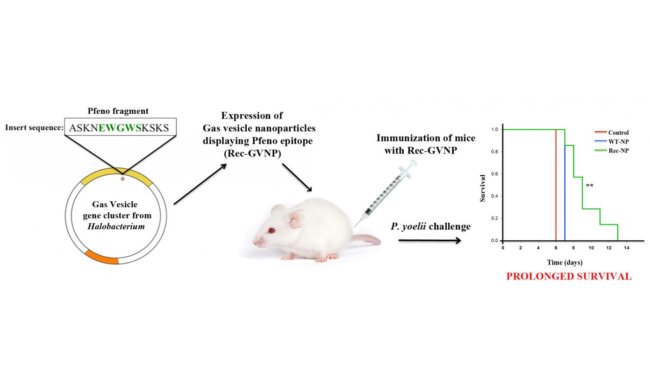
A Broad Spectrum Malaria Vaccine
Scientists have identified a key five amino acid segment present in all malaria-causing Plasmodium species, paving a way for the design of a broad spectrum malaria vaccine.

How We Distinguish Reflective And Transparent Objects
Scientists have shown that humans depend on dynamic information processing to identify reflective and transparent materials.

US FDA Approves Golden Rice
Golden Rice, a vitamin A-fortified rice variety, is deemed to have met the food safety standards of three leading regulatory agencies, including, most recently, the US FDA.

From Field To Fork
Science and technology play an important role in ensuring food security in Asia, says Professor Paul Teng, senior fellow at the Center for Non-Traditional Security Studies in Singapore.
Thyroid Hormone Reduces Fatty Liver In Diabetics
Researchers have found that low dose thyroid hormone supplementation may help reduce non-alcoholic fatty liver disease in male patients with type 2 diabetes.

Robots Of The Future May Not Need Motors
Engineers in Hong Kong have invented an actuating material that could replace motors in robots.

Giving Soft Robots Electronic Skins
Researchers have developed electronic skins that are not only stretchable and conformable onto dynamic surfaces, but also capable of wireless communication.

Echoes Of An Ancient Bird
The super-elongated windpipe of a fossilized ‘coiled chicken’ suggests that the bird produced a deep and loud call.