


The Asian Scientist 100
Di Li
Institution
National Astronomical Observatories of the Chinese Academy of Sciences
Country
China
Field
Aerospace & Astronomy
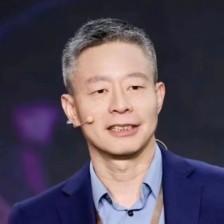
Li received the Marcel Grossmann Award for his pioneering contributions in the field of fast radio bursts. Li is the first scientist in China to receive this prize for research conducted within China.
(Photo: The Paper)
AWARDS
- Marcel Grossmann Award
Related articles
Mimicking Immune Cells To Treat Breast Cancer
Researchers in China have developed a biomimetic strategy that could pave the way for targeted breast cancer therapy.

Happiness Is Key To A Long And Healthy Life
Happy older people have a 19 percent lower likelihood of dying compared to their less happy peers, scientists say.
Tracking Oxygen Levels In Living Cells
Scientists have developed a genetically-encoded sensor that can be used to monitor changes in oxygen levels in living cells with high sensitivity and in real time.

Bacteria Tweaked To Produce Free Heme
Researchers from South Korea have devised a way to produce free heme using engineered Escherichia coli strains.

Longevity In A Bottle
With an understanding of the fundamental biological processes that drive aging, researchers are now searching for drugs that could prolong life.

Taking Energy Exponential
Blockchain-based frameworks are the first step towards the unification of fragmented energy markets, said Energy Web Foundation chair Ewald Hesse.

Flexible Drug Delivery For The Eyes And The Brain
Researchers in South Korea have developed an implantable device that is mechanically flexible and capable of controlled drug release.

Turning Soy Pulp Into A Probiotic Drink
Scientists in Singapore have used a cocktail of enzymes, probiotics and yeast to produce a nutrient-rich beverage from food waste.

Asia’s Scientific Trailblazers: Dennis Lo
Even when faced with setbacks at turning points in his career, Lo persisted in his research, developing non-invasive prenatal diagnostic tests that are now used around the world.