


The Asian Scientist 100
Di Li

Institution
National Astronomical Observatories of the Chinese Academy of Sciences
Country
China
Field
Aerospace & Astronomy
Li received the Marcel Grossmann Award for his pioneering contributions in the field of fast radio bursts. Li is the first scientist in China to receive this prize for research conducted within China.
(Photo: The Paper)
AWARDS
- Marcel Grossmann Award
Related articles

Combining DNA & MicroRNA Data For The Best Of Both Worlds
Researchers in Japan have established a method that integrates microRNA and genome-wide association study data to help identify the root causes of disease.

Sensor Could Grant Robots A ‘Human Touch’
A research group in South Korea has invented a device capable of measuring surface textures with high accuracy.
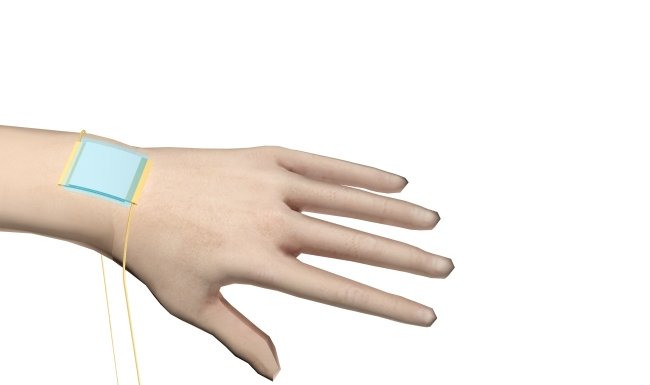
Detecting Pressure From Any Angle
Electronic skin that can feel in three dimensions could improve the sensitivity of prosthetic limbs and robotic sensors.
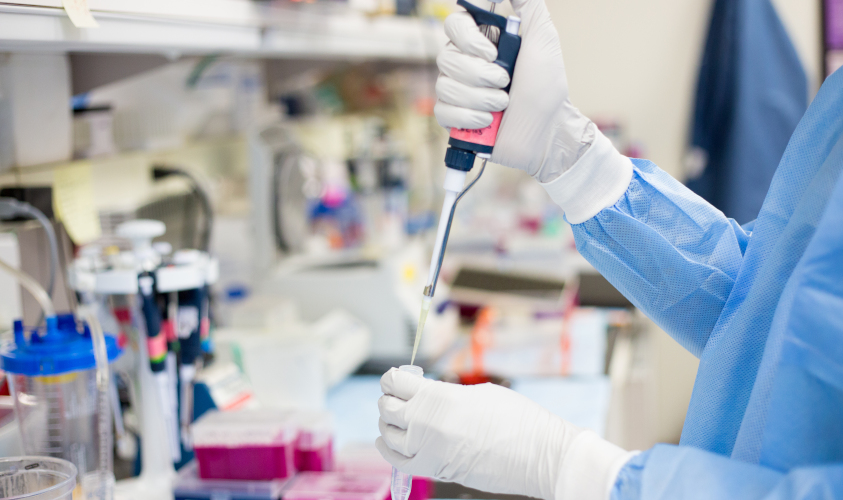
Singapore And South Korea To Tackle Skin Disorders And Cancer
This multi-institutional effort draws upon deep capabilities in skin research and cancer biology from Singapore and South Korea.

Singapore To Launch $100 Million Skin Research Institute
Singapore is committing close to S$100 million to launch the Skin Research Institute of Singapore.

Inflammation Implicated In Diabetic Kidney Disease
A mouse model of diabetic nephropathy suggests that inflammation and immune responsiveness may determine whether diabetics suffer from kidney disease.

Wheat Bran: An Unlikely Ally Against Oil Spills
Scientists in China have found that wheat bran could be useful to separate crude oil from water.
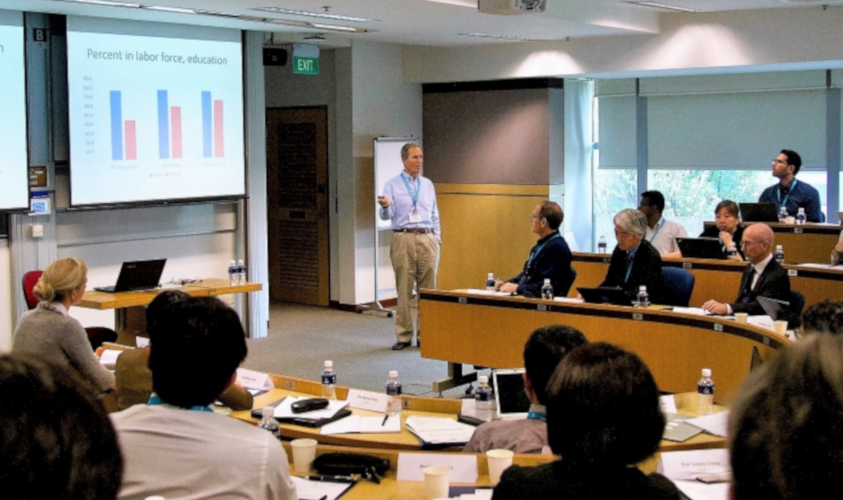
Strengthening Life’s Shock Absorbers
What factors can help the elderly bounce back from life ‘shocks’ like unemployment and the diagnosis of a major illness?

The Importance Of Being Efficient
Differences in efficiency explain why mergers can be beneficial, as well as why China imports so much waste, says SMU Assistant Professor Xu Jianhuan.