


The Asian Scientist 100
Di Li

Institution
National Astronomical Observatories of the Chinese Academy of Sciences
Country
China
Field
Aerospace & Astronomy
Li received the Marcel Grossmann Award for his pioneering contributions in the field of fast radio bursts. Li is the first scientist in China to receive this prize for research conducted within China.
(Photo: The Paper)
AWARDS
- Marcel Grossmann Award
Related articles

Making Cells Go Viral For Vaccine Research
Scientists in Japan have devised a method to produce multiple genotypes of noroviruses in the lab, paving the way for better vaccines.

Fewer Cells But Greater Precision
A research group in Japan has developed a technique to perform epigenomic profiling with much fewer cells than existing methods.

Making Vaccines About Science, Not Politics
In the wake of political turmoil and widespread misinformation around Dengvaxia in the Philippines, public confidence in vaccines has plummeted sharply, says a new study. What can be done to hold back the slide?

‘Magic Soil’ Turns The Tide Against Algal Blooms
Chinese researchers have modified clay to inhibit algal blooms that threaten Chile’s aquaculture stock.
Mom, Is That You?
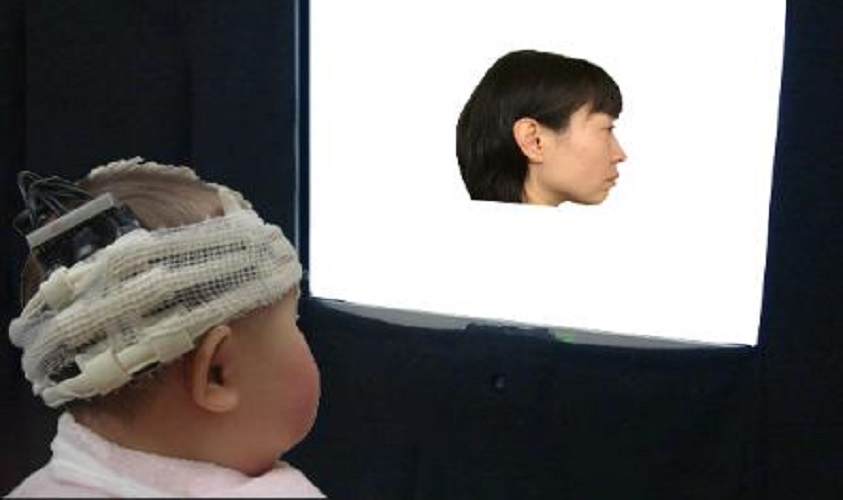
A research group in Japan has found that babies are only able to recognize the side view of faces after six months of age.

Write With Heat, Cool And Repeat
Chinese researchers have developed paper that can be written or drawn on using heat, then returned to a blank slate by cooling.

AI Automatically Sorts Cancer Cells
Researchers have developed an artificial intelligence system that can automatically differentiate between different types of cancer cells and their sensitivity to radiotherapy.

Asia’s Rising Scientists: Nguyen Thi Hiep
Dr. Nguyen Thị Hiep is on a mission to promote tissue engineering and regenerative medicine in her home country of Vietnam.
Analyzing Gene Trees With Ease
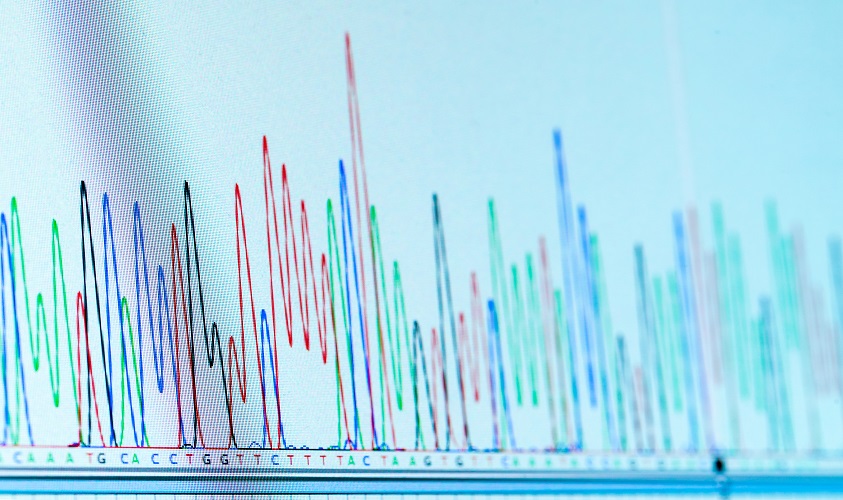
Scientists in Japan have developed a web-based tool capable of inferring gene function, estimating gene trees and identifying sets of ancestral genes in minutes.