


The Asian Scientist 100
Di Li

Institution
National Astronomical Observatories of the Chinese Academy of Sciences
Country
China
Field
Aerospace & Astronomy
Li received the Marcel Grossmann Award for his pioneering contributions in the field of fast radio bursts. Li is the first scientist in China to receive this prize for research conducted within China.
(Photo: The Paper)
AWARDS
- Marcel Grossmann Award
Related articles
Cities: Complex Ecosystems Of Moving Parts
Understanding the needs and behaviors of businesses and citizens is key to the development of the built environment, say experts from SMU and the Urban Redevelopment Authority.
Flexible Polymers For Natural Gas Storage
An international team of scientists has designed a material that can be used to store natural gas more efficiently.

A Potential Substitute For Silicon In Solar Cells
Inorganic perovskites of a particular crystal configuration could outperform silicon in solar cells, scientists say.

The Promise And Limitation Of Blockchain
Companies have been searching for ways to solve practical problems using blockchain technology, but there is not yet a one-size-fits-all solution, said a panel of experts at SMU.
Maximizing The Potential Of Induced Stem Cells
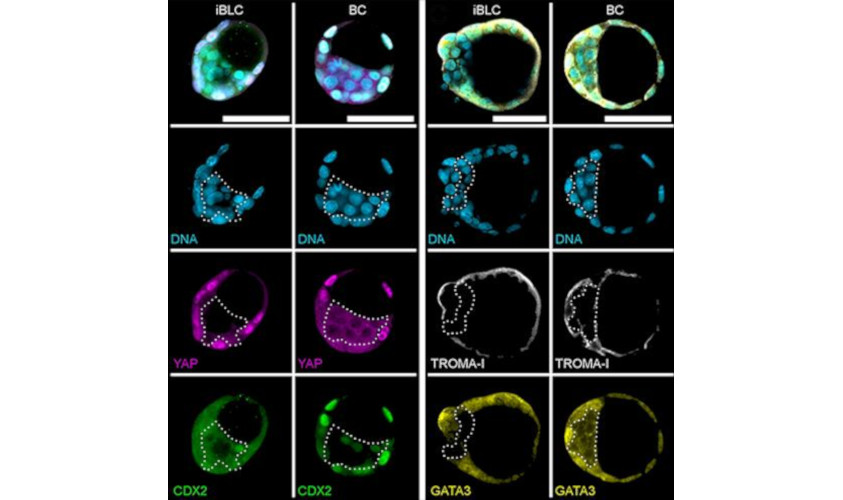
Researchers in Japan and the US have discovered a way to reprogram mature cells into stem cells that can transform into all cell types of the body, including the placenta.

Detect And Detox At The Same Time
Scientists in Thailand have found a way to identify and convert harmful chemicals into benign products in a single reaction.

Setting The Pace Of Public-Private Partnerships
Smart city collaborations between the public and private sectors require a careful balance of speed, innovation and risk management.

From Algorithms To Analysts
Algorithmic trading, information acquisition and analyst work-life balance were just a few of the diverse topics discussed at the SMU School of Accounting Research Symposium.
Water-Chlorinating Device Keeps Diarrhea Away
Using a device that automatically chlorinates water at public taps, scientists in Bangladesh and the US have managed to reduce child diarrhea by almost a quarter in urban Bangladesh.