


The Asian Scientist 100
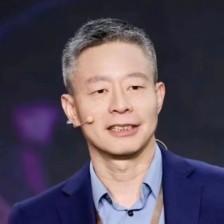
Di Li
Institution
National Astronomical Observatories of the Chinese Academy of Sciences
Country
China
Field
Aerospace & Astronomy
Li received the Marcel Grossmann Award for his pioneering contributions in the field of fast radio bursts. Li is the first scientist in China to receive this prize for research conducted within China.
(Photo: The Paper)
AWARDS
- Marcel Grossmann Award
Related articles

Jui Lim Appointed As Incoming SGInnovate CEO
A medical doctor by training, Dr. Jui Lim brings over two decades of experience in innovation, research commercialization and investment to SGInnovate.

Developing Diagnostics In Double-Quick Time
JN Medsys has developed two new coronavirus diagnostic kits to meet the surge in demand for COVID-19 diagnostics.

Lose + Lose = Win
Zooplankton survive over-predation of their food source by switching between two ‘losing’ strategies: laying dormant eggs and staying dormant until algae levels recover.

Why Do Scorpions Glow Under UV Light?
Scientists in Japan have found that scorpions make a fluorescent compound to protect themselves from parasites.
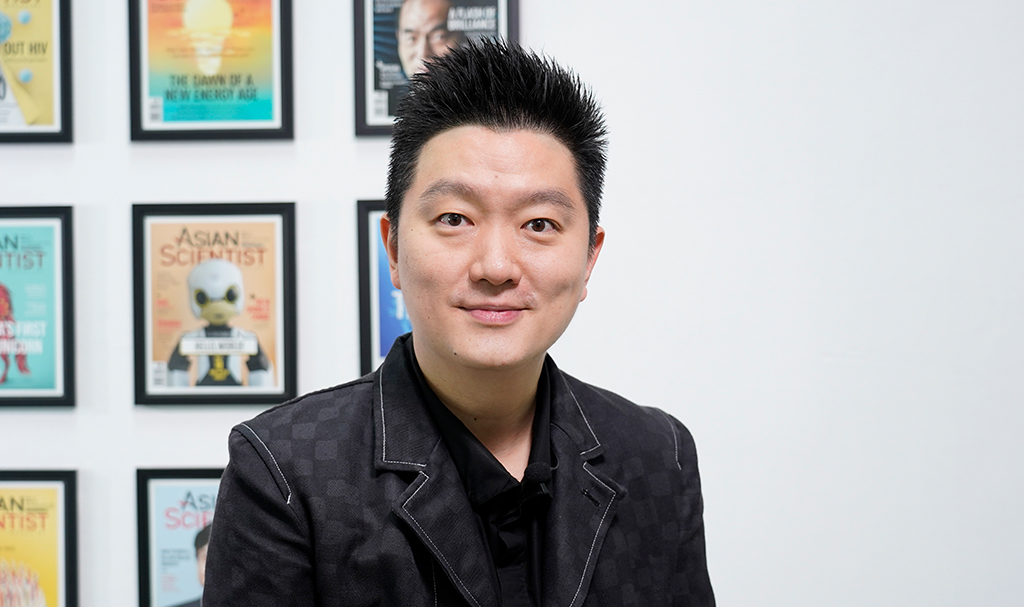
Turning Trash Into Treasure (VIDEO)
Managing director of MINIWIZ, Tan Szue Hann, hopes to promote the circular economy with their mobile recycling plants that bring facilities to right where waste is generated.

Cell Membrane Inspires Nanoparticle Computing
The lipid nanotablet platform uses lipid bilayer membranes as a ‘chip’ to control nanoparticles and create nanoparticle-based logic gates.

Healthcare From The Comfort Of Home (VIDEO)
Dr. Shravan Verma has developed Speedoc, a digital platform that empowers doctors to make house calls so that patients can receive medical attention at home.

Packaged For Sustainability (VIDEO)
Mr Ng Pei Kang, founder of sustainable packaging solutions firm TRIA, has developed a compostable material that can be used in place of plastic food packaging.

Risky Business In Breast Cancer Diagnosis (VIDEO)
By analyzing the collective impact of common gene variants associated with breast cancer, Dr. Li Jingmei seeks to detect the disease early and save lives.