


The Asian Scientist 100
Di Li

Institution
National Astronomical Observatories of the Chinese Academy of Sciences
Country
China
Field
Aerospace & Astronomy
Li received the Marcel Grossmann Award for his pioneering contributions in the field of fast radio bursts. Li is the first scientist in China to receive this prize for research conducted within China.
(Photo: The Paper)
AWARDS
- Marcel Grossmann Award
Related articles

Bob Langer On How Science Can Tackle COVID-19 (VIDEO)
Join Wildtype Media Group CEO Dr. Juliana Chan as she chats with biotechnology trailblazer Professor Robert Langer about the role that science plays in the fight against COVID-19.

Singapore Develops COVID-19 Kit That Detects Neutralizing Antibodies
The cPass kit, which is the first of its kind in the world, can detect neutralizing antibodies against SARS-CoV-2 in an hour.

These Three Biomarkers May Predict COVID-19 Death Risk: Study
A machine learning model developed by Wuhan scientists predicted the death of COVID-19 patients ten days in advance of their outcomes with more than 90 percent accuracy.

CRISPR Helps Find Alzheimer’s-Linked Protein
Researchers have used a CRISPR-based genetic screen to identify a new gene that could regulate the development of Alzheimer’s disease.

Nature’s Editor-in-Chief On Publishing In The COVID-19 Era (VIDEO)
Don’t miss our next Wildtype Media Expert Opinion webinar with Dr. Magdalena Skipper, editor-in-chief of Nature.

Turning Old Tires Into New Aerogels
By converting scrap tires into a useful aerogel, researchers hope to incentivise the recycling of rubber waste.

Biodegradable Plastics Startup RWDC Raises US$133 Million
RWDC Industries Ltd will use the US$133 million series B funding to expand the production capacity by building a new facility in Athens, Georgia.
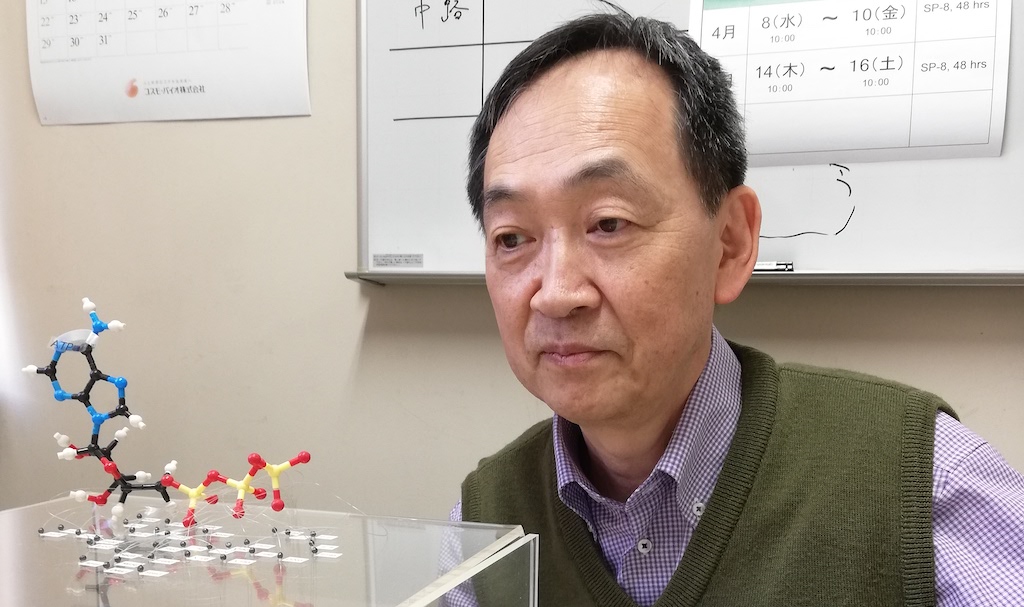
Asia’s Scientific Trailblazers: Chikashi Toyoshima
In seeking to visualize proteins at the smallest scale, Professor Chikashi Toyoshima has cemented his place as one of structural biology’s most impactful researchers.

Predicting The March Of COVID-19 From Mobile Phone Data
Using anonymized mobile phone data from nearly 11.5 million people, researchers could predict the spread of COVID-19 infections from Wuhan, China, up to two weeks in advance.