


The Asian Scientist 100
Di Li

Institution
National Astronomical Observatories of the Chinese Academy of Sciences
Country
China
Field
Aerospace & Astronomy
Li received the Marcel Grossmann Award for his pioneering contributions in the field of fast radio bursts. Li is the first scientist in China to receive this prize for research conducted within China.
(Photo: The Paper)
AWARDS
- Marcel Grossmann Award
Related articles

Study: Polio Vaccination Programs In Af-Pak Not Working
A new study finds that vaccines are struggling to have an impact in Afghanistan and Pakistan due to the lack of mass immunization campaigns.

Alzheimer’s Disease Attacks Body Decades Before Diagnosis, Study
Scientists have observed clinical and biomarker changes in the spinal fluid and brain of Alzheimer's patients up to 25 years before they show any clinical symptoms.

Scientists Discover Gene That Determines Glycemic Index Of Rice
Researchers have identified the key gene that determines the glycemic index of rice, a breakthrough that offers breeders the opportunity to develop rice varieties with different GI levels.
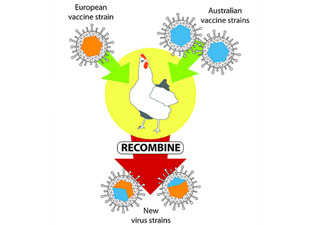
Chicken Vaccines Combined To Form Deadly Infectious Viruses
Researchers in Australia have shown that two different viral vaccines - used simultaneously in chickens - have combined to produce new infectious viruses.

Researchers Discover How Bacteria Respond To Salt Stress
Scientists in Singapore have discovered how bacteria respond to salts in their environment and how these salts can alter the behavior of specialized salt sensor bacterial proteins.
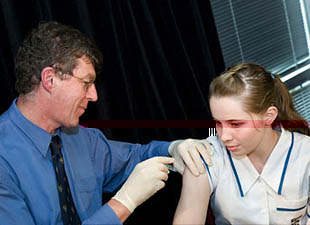
Gardasil HPV Vaccine To Be Available For Boys In 2013
In a world first, Australian schoolboys will be able to receive the Gardasil vaccine that until now had been only available to girls.

South Korea Does U-Turn On ‘Scientific’ Whale Hunt
South Korea announced last week that it may abruptly scrap plans to hunt whales for 'scientific' purposes.

Philippine Government Struggles On Family Planning Debate
The government of the Philippines aims to drastically cut maternal deaths by spending US$12 million on contraceptives in 2012, a move bitterly opposed by the Catholic Church.

Bizarre Bright Green Algae Overruns Chinese Beach
A bizarre overgrowth of bright green algae called Enteromorpha prolifera has overrun the waters of Qingdao No.1 Beach in Shandong Province, Eastern China.