


The Asian Scientist 100
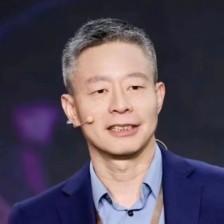
Di Li
Institution
National Astronomical Observatories of the Chinese Academy of Sciences
Country
China
Field
Aerospace & Astronomy
Li received the Marcel Grossmann Award for his pioneering contributions in the field of fast radio bursts. Li is the first scientist in China to receive this prize for research conducted within China.
(Photo: The Paper)
AWARDS
- Marcel Grossmann Award
Related articles

Stress During Pregnancy Affects Child’s Mental Health
Maternal experience of stressful events during pregnancy is associated with adverse behavioral development in offspring, according to a new study.

Chinese Officials And MIT Ink Collaborative Deal
Chinese officials visited MIT to encourage collaboration between MIT and Shanghai Jiao Tong University, and to establish a fellowship program that sponsors students to study at MIT.

Singapore Launches Its First Micro-Satellite Into Space
Singapore's first indigenous micro-satellite, X-SAT, lifted off on board India's Polar Satellite Launch Vehicle PSLV-C16 at 10.12am Indian Standard Time today.

Pfizer And Shanghai Pharmaceutical Sign MOU
Shanghai Pharmaceutical and Pfizer have signed a MOU for the companies to jointly pursue potential business opportunities in China.

Pharmaceutical Societies Of Australia And NZ Form Alliance
The Pharmaceutical Societies of Australia and New Zealand today signed a historic strategic alliance to strengthen the professional roles of pharmacists in both countries.
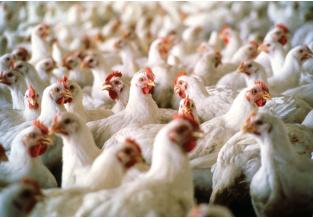
WHO: Cambodian Girl Dies From Bird Flu
A five year old Cambodian girl has become the fifth person to die from avian flu in the country this year, officials said Tuesday.

Fewer Clinical Trials For Lung, Colorectal, Prostate And Pancreatic Cancers
Clinical trial registries show that 4 out of 5 cancers with the greatest burden of disease had relatively few clinical trials.
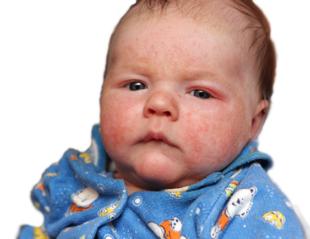
Eczema Treatment With Steroids Does Not Cause Skin Thinning, Study
During the management of eczema, parents and healthcare professionals often worry that regular topical steroid use will cause 'thinning' of the skin.

US, Chinese Pharmacopoeial Organizations Become Mutual Advisors
Leaders of the United States Pharmacopeial Convention and the Chinese Pharmacopoeia Commission have signed an agreement to improve and align standards for drug quality.