


The Asian Scientist 100
Di Li

Institution
National Astronomical Observatories of the Chinese Academy of Sciences
Country
China
Field
Aerospace & Astronomy
Li received the Marcel Grossmann Award for his pioneering contributions in the field of fast radio bursts. Li is the first scientist in China to receive this prize for research conducted within China.
(Photo: The Paper)
AWARDS
- Marcel Grossmann Award
Related articles

Kidney Disease Most Common In Asian Populations
Researchers have identified five genomic regions that increase susceptibility to IgA nephropathy, a major cause of kidney failure worldwide.
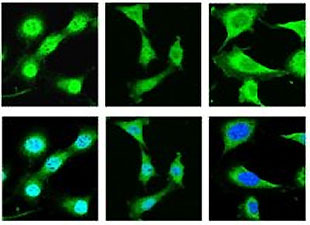
Essential Protein Controls Inflammation In Cancer
Scientists have discovered an essential protein called 'Sharpin' that controls the inflammation induced by tumor necrosis factor.

Korean Scientists Map New Lung Cancer Therapeutic Target
Seoul National University researchers have found that high expressions of the protein variant of AIMP2 correlates lower survival rates in lung cancer patients.
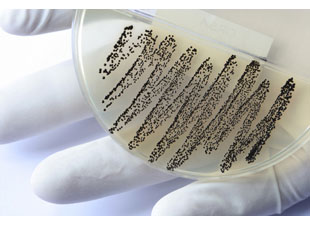
IBN And IBM Fight Superbugs With Polymeric Nanoparticles
Scientists at A*STAR and IBM Research – Almaden have developed biodegradable polymer nanoparticles that combat drug-resistant superbugs.

Clinical Trial Numbers In Australia Fall For Third Straight Year
New figures show that the number of new clinical trials in Australia has fallen by 13 percent for three straight years.

X-Ray Scanning May Increase Rice Yield, Study
Rice plants were the patients in a novel use of CT scanners to increase rice yield.
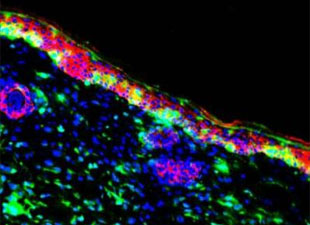
Bone Marrow Cells That Regerate Skin May Help In Wound Treatments
Researchers have identified specific bone marrow cells that can transform into skin cells to repair damaged skin tissue.
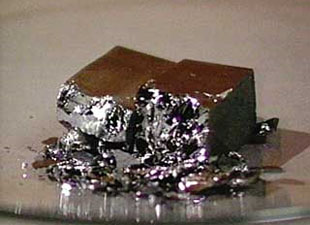
Germanium Conducts Electricity Under Pressure
Researchers have discovered that germanium undergoes a structural change into a conductive metal at 66 GPa.

Adding Aluminium Nanoparticles To Make Super Biofuels
How to put more bang in your biofuels? Nanoparticles! A new study shows that the addition of alumina nanoparticles can improve the performance and combustion of biodiesel.