


The Asian Scientist 100
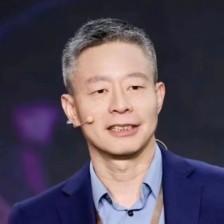
Di Li
Institution
National Astronomical Observatories of the Chinese Academy of Sciences
Country
China
Field
Aerospace & Astronomy
Li received the Marcel Grossmann Award for his pioneering contributions in the field of fast radio bursts. Li is the first scientist in China to receive this prize for research conducted within China.
(Photo: The Paper)
AWARDS
- Marcel Grossmann Award
Related articles
Live Fast, Die Young: The War On Antibiotic Resistance
Antibiotics have provided a short-term advantage in the arms race against bacteria, but can we stay ahead? Zaria Gorvett discusses.
‘Superheated’ Water Can Corrode Diamonds At 400 Degree Celcius
Researchers have altered the properties of water, making it corrosive enough to etch diamonds.

Yukiya Amano Reelected As UN Nuclear Agency Chief
Mr. Yukiya Amano has been reappointed to a second term as Director General of the International Atomic Energy Agency.

China Prepares For First Lunar Return Mission
An experimental version of the Chang'e-5 lunar explorer will be launched before 2015 to carry out re-entry tests on the capsule, said its chief designer.
After Fukushima: The Future Of Nuclear Power In Asia
Before the nuclear disaster at Fukushima on March 11, 2011, Asia was seen as the nuclear powerhouse of the future, but the situation has changed since then, writes Vlado Vivoda.
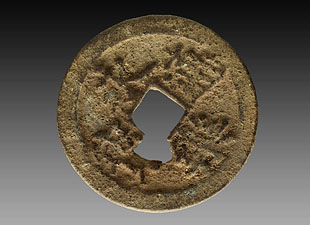
600-Year-Old Chinese Coin Found In Kenya Shows Ancient Trade Links
A 600-year-old Chinese coin unearthed on the Kenyan island of Manda provides evidence that trade existed between China and east Africa decades ago.

Nanowire Composite Shows Superior Strength
Researchers have created a super strong metallic composite by harnessing the extraordinary mechanical properties of nanowires.

Green Tea, Coffee May Lower Stroke Risk, Study
A daily dose of tea and coffee may help to cut the risk of stroke by 20 percent, says a new study.

Indonesia Aims For Universal Health Care By 2019
Indonesian officials are monitoring Jakarta's response and experience ahead of the rollout of a government scheme to provide universal health care by 2019.