


The Asian Scientist 100
Can Li

Institution
University of Hong Kong
Country
Hong Kong
Field
Engineering
Li is a recipient of the 2023 Croucher Tak Wah Mak Innovation Award for his research exploring the limitations of digital computers in performing tasks accomplished by the human brain, including recognising faces, reasoning based on vague information, and learning from experience.
(Photo: University of Hong Kong)
AWARDS
- 2023 Croucher Tak Wah Mak Innovation Award
Related articles

Sick Building Syndrome: Indoor Plants Can Extract Formaldehyde From Air
Indoor volatile organic compounds have been known to cause 'sick building syndrome.' Researchers ranked 86 plant species for their ability improve air quality, also known as phytoremediation.

Korean Scientists Develop Magnetic Nanoparticles That Heat And Kill Tumors
Scientists have engineered magnetic nanoparticles that efficiently convert electromagnetic energy into heat, using them to heat up and eliminate cancer cells in mice.

Fossils From Australia Suggest Primitive Animals Had 20-20 Vision
Palaeontologists have uncovered half-a-billion-year-old fossils of compound eyes, confirming that primitive animals had excellent vision.

Scientists Decode Mutant Mice With Extra Set Of Ribs In Neck
Scientists have finally explained the mystery behind an odd-looking mutant mouse that had a short, kinky tail and an extra set of ribs in its neck.

Vietnam To Create New Science And Technology University
Vietnam is establishing a state-of-the-art university in Ha Noi called The University of Science and Technology.
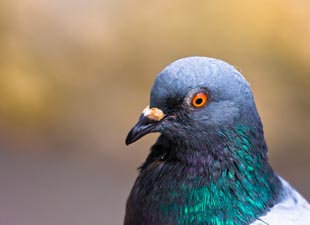
Did The Common Pigeon Bring An AIDS-Defining Fungus To Asia?
New research has shed light on the origins of a fungal infection which is one of the major causes of death from AIDS-related illnesses.

Regular Doses Of Sunshine Could Help Prevent Falls
A new study has found that low vitamin D levels are associated with an increased risk of falls in the elderly, particularly in men.

Zombie Ants Have Fungus In The Brain
A fungus in Thailand's rainforests manipulates ant behavior, resulting in zombie ants that walk in a random manner especially at noontime.

South Korean Study Suggests That Autism Is More Prevalent Than Believed
Researchers estimate that about 1 in 38 South Korean children have autism, a figure which is three times higher than a 2006 US study.