


The Asian Scientist 100
Can Li

Institution
University of Hong Kong
Country
Hong Kong
Field
Engineering
Li is a recipient of the 2023 Croucher Tak Wah Mak Innovation Award for his research exploring the limitations of digital computers in performing tasks accomplished by the human brain, including recognising faces, reasoning based on vague information, and learning from experience.
(Photo: University of Hong Kong)
AWARDS
- 2023 Croucher Tak Wah Mak Innovation Award
Related articles

STEM Subjects Popular In School, But Challenges Crop Up In The Working World
Science and technology is the top career choice for parents of both boys and girls, but more needs to be done to improve gender diversity beyond the classroom.

How Cellular Traffic Jams Disrupt Sleep
Aging, dementia and obesity could lead to disrupted sleep by causing cytoplasmic traffic jams, according to a study published in PNAS.

Standing On The Verge Of Accessible Healthcare (VIDEO)
By investing in health tech innovations through Verge HealthTech Fund, Dr. Joseph Mocanu is making accessible healthcare in Asia a reality.

Pushing Diamond To Its Limits
Similar to how pressure turns coal into diamonds, subjecting diamonds to large amounts of strain gives desirable electronic properties to the gem.

Science’s Seismic Shift Towards Asia
The world’s scientific center of gravity is shifting towards Asia—where, given current projections, it will probably long remain.

Aerogel Harvests Water From Thin Air
A single kilogram of this new aerogel can generate enough drinking water to meet a household's daily needs
Asia’s Rising Scientists: Phillip Alviola
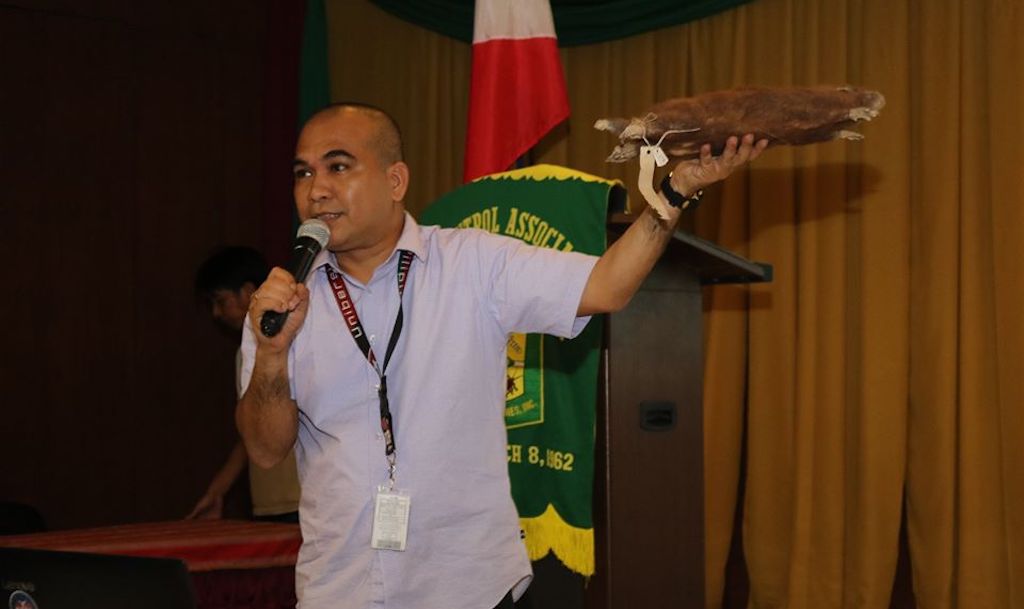
The Philippines’ own Batman, wildlife biologist and bat virologist Dr. Phillip Alviola is on a crusade to conserve the country’s rich forest and cave ecosystems.

Burrowing Into The Bobbit Worm’s Behavior
Using trace fossils, scientists have reconstructed the 20-million-year-old lair of giant marine worms in northeast Taiwan, providing insights into the predator's behavior.
Unleashing The Potential Of Putty-Like Gallium
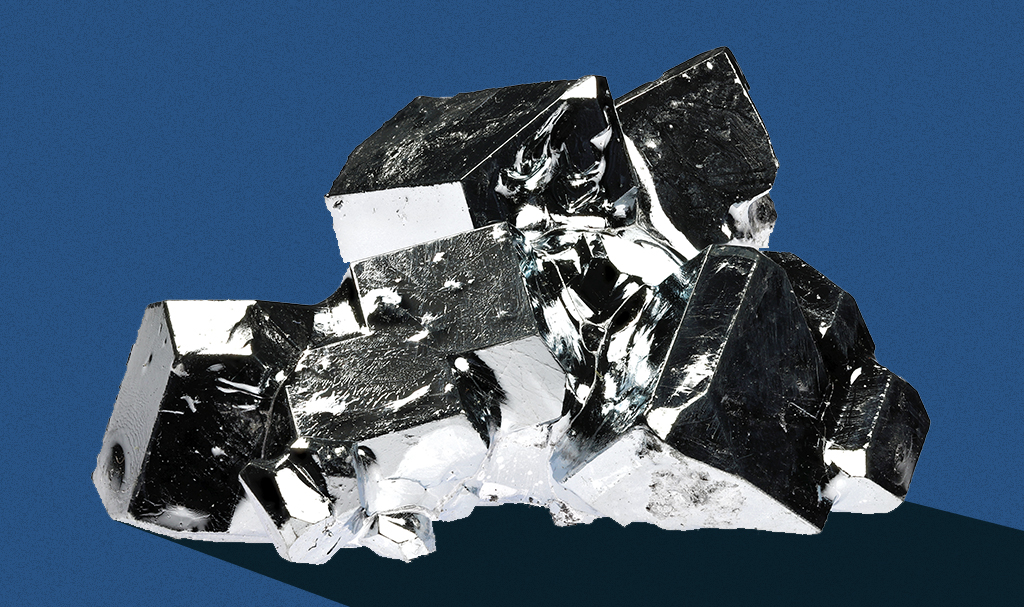
Researchers from South Korea have invented a new method to transform liquid gallium into a more usable paste- or putty-like form.