


The Asian Scientist 100
Can Li

Institution
University of Hong Kong
Country
Hong Kong
Field
Engineering
Li is a recipient of the 2023 Croucher Tak Wah Mak Innovation Award for his research exploring the limitations of digital computers in performing tasks accomplished by the human brain, including recognising faces, reasoning based on vague information, and learning from experience.
(Photo: University of Hong Kong)
AWARDS
- 2023 Croucher Tak Wah Mak Innovation Award
Related articles

Climate Change Will Raise Water Levels Of Asia’s Rivers
A study shows that all five of Asia's major river systems will be affected by glacier melts caused by climate change.

Oxidative Damage To Liver Worsens Obesity
Research from Monash University has uncovered the link between diabetes, obesity and fatty liver disease: oxidative stress caused by free radicals.

Making Smart Technologies Work For Cities
Experts from academia, industry and government discuss ways to integrate science and technology into building sustainable cities at the World Cities Summit 2014.

Eisai Completes Phase III Trial For Epilepsy Drug
The Phase III clinical trial for Eisai's in-house developed AMPA receptor antagonist Fycompa® has met its primary endpoints in patients with severe seizures.

China’s CBMG Begins Trading On NASDAQ
Cellular Biomedicine Group, which develops cell therapeutics targeted at the Chinese market, has listed on NASDAQ.

Dense Stars Deformed By Extreme Magnetic Forces
Scientists have found that dense stars known as magnetars are deformed by their extremely high magnetic fields, resulting in a wobbly orbit.
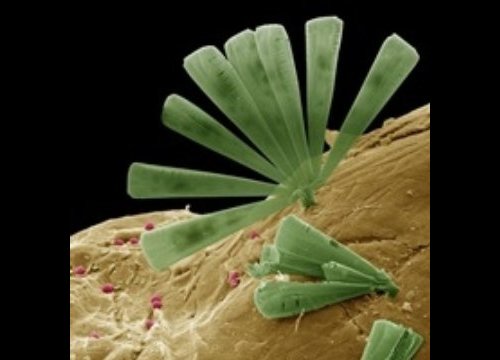
Tiny Plastic Dwellers Exert Big Impact On Oceans
Micro-organisms colonizing small pieces of plastic waste in the ocean might be breaking them down, but could also have negative effects such as plastic ingestion and ecosystem disruption.
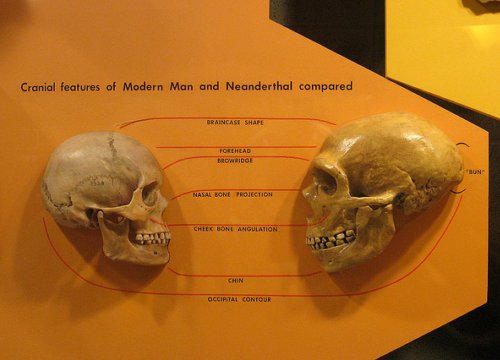
New Skulls Show Oldest Neandertal Traits
The 17 skulls from Spain's Sima de los Huesos are the oldest reliably-dated humans to show clear Neandertal morphology.

Dopamine Genes Involved In Risk Taking
Scientists have identified the dopaminergic genes associated with different types of risk taking behavior in a social game.