


The Asian Scientist 100
Can Li

Institution
University of Hong Kong
Country
Hong Kong
Field
Engineering
Li is a recipient of the 2023 Croucher Tak Wah Mak Innovation Award for his research exploring the limitations of digital computers in performing tasks accomplished by the human brain, including recognising faces, reasoning based on vague information, and learning from experience.
(Photo: University of Hong Kong)
AWARDS
- 2023 Croucher Tak Wah Mak Innovation Award
Related articles

GWAS Uncovers The Genetic Basis of Schizophrenia
The results of a genome-wide association study (GWAS) suggest that the immune system might be involved in schizophrenia.
PandaX And The Search For Dark Matter
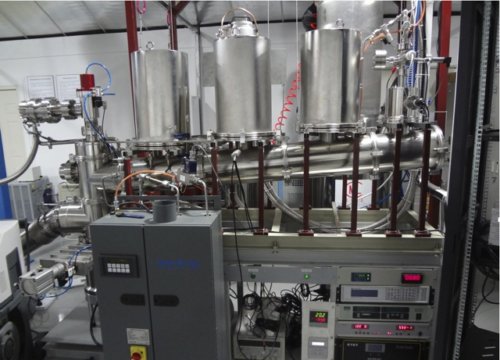
China joins the search for dark matter with PandaX, a large liquid-xenon detector located deep underground in the China Jin-Ping Underground Laboratory.

Renewables Ready To Supply All Australia’s Electricity
Professor Mark Diesendorf argues that relying fully on renewable energy is not only feasible but also cost competitive.

East Asian-Specific Breast Cancer Genes Found
Scientists have pinpointed three genetic regions associated with an increased risk of breast cancer in East Asians.
A Microbial Census Of A Sake Brewery
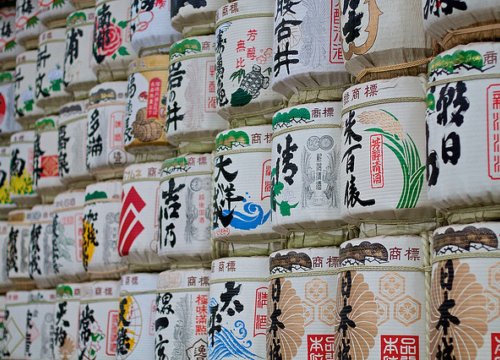
An understanding of the microbial communities involved at each stage of sake production could lead to safer and more consistent brewing methods.

Climate Change Models Spot On, Scientists Say
Although global warming appears to have slowed down in the last 15 years, scientists say that model projections are accurate, once the El Niño-La Niña oscillation is accounted for.

Genetic Marker Of Common Breast Tumors Found
The identification of MED12, found in 60 percent of fibroadenoma patients, could lead to better diagnosis of the common breast tumor.

Tweaking Nanomaterials With Lasers
Scientists demonstrate that simple, low-cost lasers can be used to modify nanomaterials, thereby enhancing their functionality.

Unexpected Functions For Alternatively Spliced Proteins
The discovery that a well-studied protein exists in 250 alternatively spliced variants prompts a re-think of protein complexity.