


The Asian Scientist 100
Can Li

Institution
University of Hong Kong
Country
Hong Kong
Field
Engineering
Li is a recipient of the 2023 Croucher Tak Wah Mak Innovation Award for his research exploring the limitations of digital computers in performing tasks accomplished by the human brain, including recognising faces, reasoning based on vague information, and learning from experience.
(Photo: University of Hong Kong)
AWARDS
- 2023 Croucher Tak Wah Mak Innovation Award
Related articles

Computer Games Might Benefit Children With ADHD
A small pilot study has shown that game-based neurocognitive training could help manage the symptoms of ADHD in children.

Changing Elements Boosts Battery Storage Capacity
Electrochemically inactive lithium oxides can be modified into high capacity electrodes for rechargeable batteries, study says.
World’s Largest Laser Used To Heat Fusion Fuel To 20,000,000°C
In the future, lasers such as the world's largest petawatt laser—the LFEX—could be used to achieve nuclear fusion.
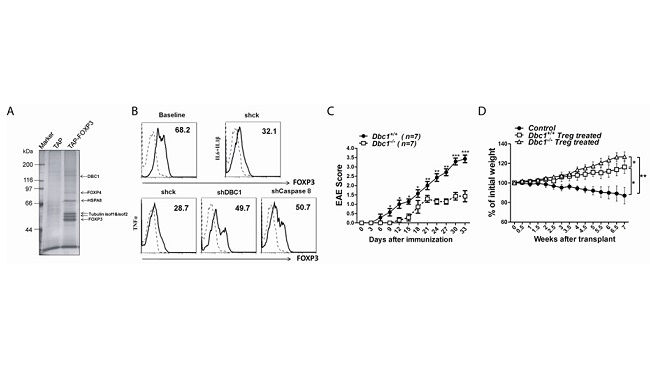
How Inflammation Switches Off Tregs
DBC1, which has recently been shown to decrease the stability of immune suppressing transcription factor FOXP3, could be a therapeutic target for autoimmune diseases.

Poor Nations Concerned About Coping With MERS
With weaker health systems, developing nations are concerned that MERS will spread rapidly if imported into their countries by travelers.

CBMG Acquires CD40LGVAX Technologies
Building on positive Phase I results, the CD40LGVAX vaccine will undergo further trials in the second half of 2015.
Dengue Day 2015: Top Dengue Stories On Asian Scientist
Want to catch up on the latest happenings in dengue research over the past year? Look no further!

Dengue Day 2015: Interview With Dr. Joselito Sta. Ana
Sanofi Pasteur is currently the frontrunner in the dengue vaccine race. Joselito Sta. Ana, senior director of Sanofi Pasteur Asia Pacific gives us an update on their plans in Asia.

Wave-Bending Cloaks Conquer Corners & Bumps
Optical cloaks that can bend electromagnetic waves could pave the way for the development of next generation photonic and plasmonic devices.