


The Asian Scientist 100
Can Li

Institution
University of Hong Kong
Country
Hong Kong
Field
Engineering
Li is a recipient of the 2023 Croucher Tak Wah Mak Innovation Award for his research exploring the limitations of digital computers in performing tasks accomplished by the human brain, including recognising faces, reasoning based on vague information, and learning from experience.
(Photo: University of Hong Kong)
AWARDS
- 2023 Croucher Tak Wah Mak Innovation Award
Related articles

Asia’s Scientific Trailblazers: Patrick Casey
It's been ten years since the launch of the Duke-NUS Graduate Medical School in Singapore. Professor Patrick Casey shares his thoughts on what the school has achieved and what lies ahead.
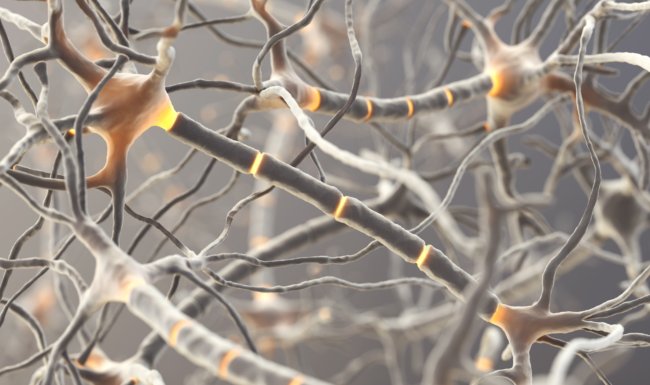
A Chemical Cocktail For Cell Reprogramming
Researchers have discovered a new chemical way to generate neurons from fibroblasts, paving a way for personalized medicine and cell replacement therapy.

Predicting Flu Outbreaks Before They Happen
Scientists have developed a way to predict outbreaks of flu even in densely populated Hong Kong, one of the global epicenters of the disease.

FDA Approval For Cipla’s Child-Friendly HIV Drug Formulation
A novel pediatric formulation of anti-retroviral drugs could be life saving for children living with HIV.

How Some Galaxies Get Their Second Bar
Differences in temperature between the inner and outer disks could explain how double-barred galaxies form.
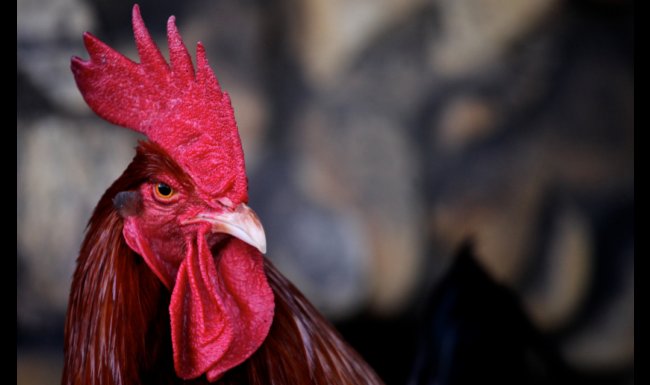
Pecking Order Determines Which Rooster Crows First
Less dominant roosters only crow after the most dominant male has decided to announce the break of dawn, researchers say.

Insect-Inspired Robots Hop On Water
By studying how water striders do it, researchers have designed a robot that uses surface tension to walk on water.

Infection Found To Increase Antibiotic-Induced Hearing Loss
An ongoing bacterial infection drives the uptake of antibiotics into the cells of the inner ear, increasing the likelihood of hearing-loss.
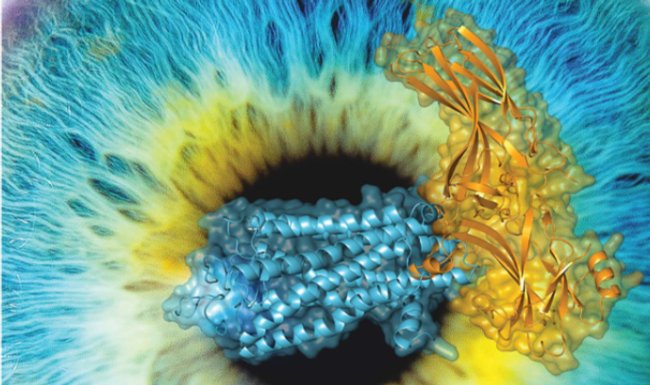
Powerful Lasers Shed Light On Vision
Using the most powerful laser in the world, scientists have solved the structure of the GPCR rhodopsin to unprecedented detail.