


The Asian Scientist 100
Can Li

Institution
University of Hong Kong
Country
Hong Kong
Field
Engineering
Li is a recipient of the 2023 Croucher Tak Wah Mak Innovation Award for his research exploring the limitations of digital computers in performing tasks accomplished by the human brain, including recognising faces, reasoning based on vague information, and learning from experience.
(Photo: University of Hong Kong)
AWARDS
- 2023 Croucher Tak Wah Mak Innovation Award
Related articles

A Microchip That Can Mimic Bone Tissues
This microchip accurately predicts and reproduces the physiological phenomena that occur in human and animal bone tissues.

Be Inspired By The Best & Brightest In Science
The Global Young Scientists Summit 2016 will gather an elite group of scientific luminaries and technology leaders in Singapore to inspire the next generation.
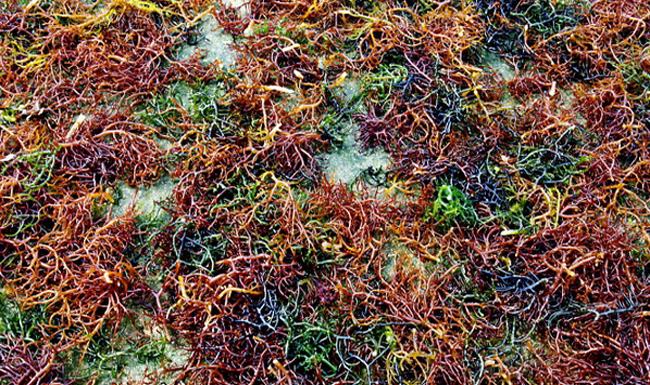
Seaweed Extract May Boost Rice Production
This gamma-radiated seaweed extract can increase rice production by about a third and guard against major pests.

‘Observing’ Black Holes From The Comforts Of Home
Astronomers have found that black holes emit visible light during 'outbursts' of energy, allowing anyone with a home-use telescope to observe them.
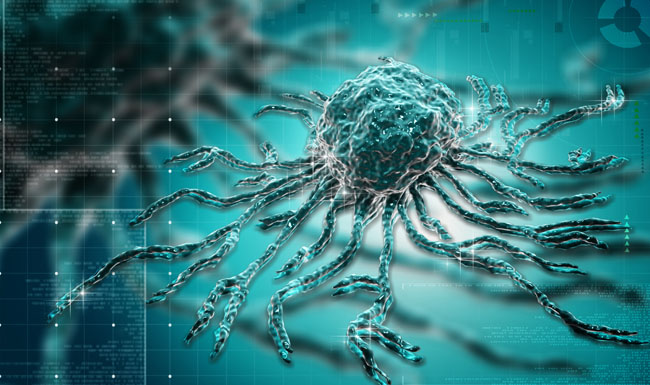
A Cancer Drug That Doesn’t Damage DNA
When coupled with chemotherapy, the small molecule drug PRIMA-1met activates a mutated tumor suppressor gene while also restoring its structure and function.

Introducing The World’s Smallest Nanomagnet
A research group has successfully developed the world's smallest single-digit nanosize hard ferrite magnet for use in magnetic recording media.

How A Virus Peptide Destroys Other Viruses
Researchers have explained how a peptide derived from hepatitis C virus kills a broad range of viruses while leaving host cells unharmed.
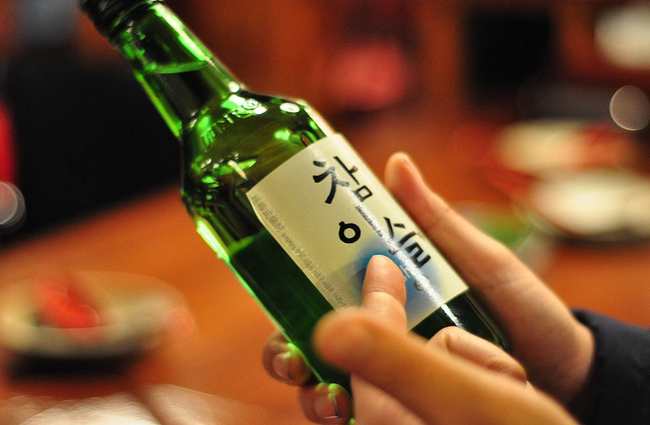
Drinking Soju Daily May Reduce Stroke Risk
Research shows that a few shots of soju a day can significantly lower the risk of stroke in both men and women.

Enough Oxygen 800 Million Years Before Animals
The first animals appeared on Earth only 800 million years after there was enough oxygen to support them, researchers say.