


The Asian Scientist 100
Can Li

Institution
University of Hong Kong
Country
Hong Kong
Field
Engineering
Li is a recipient of the 2023 Croucher Tak Wah Mak Innovation Award for his research exploring the limitations of digital computers in performing tasks accomplished by the human brain, including recognising faces, reasoning based on vague information, and learning from experience.
(Photo: University of Hong Kong)
AWARDS
- 2023 Croucher Tak Wah Mak Innovation Award
Related articles

Biomaterials ‘Spin’ Doctor
In somewhat of a happy accident, Teoh Swee Hin was inspired by a pregnant graduate student to develop a cell bioreactor that rotates like a baby in the mother’s womb.
Smell Is A Democracy, Not A Dictatorship
Odors activate neuronal structures called glomeruli in the brain; the fruit fly's smell preference depends on most, if not all, of them.
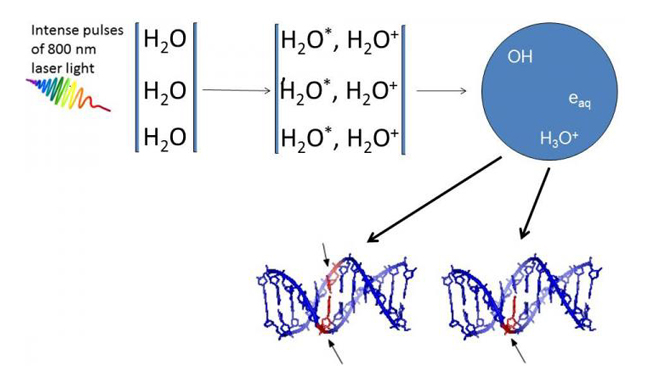
Breaking Up DNA, Lightsaber Style
Scientists in India have found that damage to DNA can be induced by ultra-short pulses of high-intensity laser light.

Ultragenyx, Takeda To Develop Drugs For Rare Genetic Diseases
Ultragenyx and Takeda will work together to develop and commercialize therapies for rare genetic diseases.

Monash & Takeda Take On Gastrointestinal Disease
The research alliance between Monash and Takeda will investigate nano-medicine for gastrointestinal diseases, among other projects.

Single-Dose Malaria Drug Reaches Human Trials
A long-lasting single-dose malaria drug in phase II clinical trials provides hope for malaria-infected patients.

The Accidental Internet Pioneer
Tan Tin Wee brought the wonders of the Internet to Singapore in the 90’s—starting with a videocast of the 1994 National Day Parade for those living or working overseas.

Fast Or Slow, It Was Already Decided Before ‘Go’
Research suggests that runners’ neural activity just before the start of a race can predict miniscule variations in reaction times.

A Bearded Dragon Displays Its True Colors On Its Neck Or Back
Bearded dragons are able to partition color change to specific body parts, depending on whether they are responding to temperature or communicating with other lizards.