


The Asian Scientist 100
Can Li

Institution
University of Hong Kong
Country
Hong Kong
Field
Engineering
Li is a recipient of the 2023 Croucher Tak Wah Mak Innovation Award for his research exploring the limitations of digital computers in performing tasks accomplished by the human brain, including recognising faces, reasoning based on vague information, and learning from experience.
(Photo: University of Hong Kong)
AWARDS
- 2023 Croucher Tak Wah Mak Innovation Award
Related articles

8 Scientists From The Philippines To Watch (VIDEO)
These eight individuals from various fields and industries are working towards solving real-life problems that many Filipinos face.

Bilingual Babies Learn Languages Faster (VIDEO)
Contrary to widely held beliefs, babies are not hindered by learning two languages—in fact, they learn both languages faster than monolingual babies.

Predicting Earthquakes From Underground ‘Ultrasounds’ (VIDEO)
By pairing vibrational pulses with seismic sensors, researchers have developed a method to detect faults deep below the Earth's surface and predict future earthquakes.
Singapore Math Is Popular Among Educators Worldwide. Why?
Singapore Math has gone beyond helping Singaporean students excel in the classroom to becoming a commercial product used widely around the world.
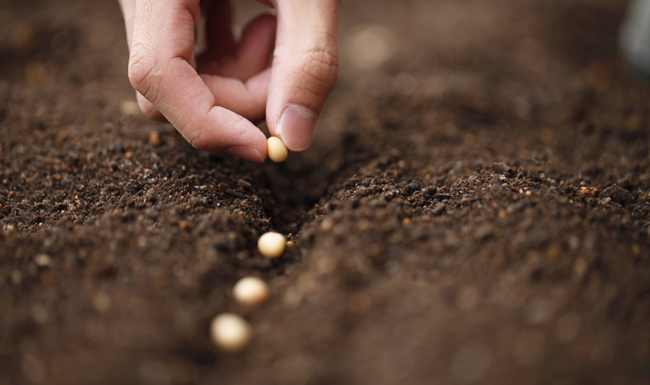
Biomass Ash Helps To Boost Plant Growth
Adding torrefied biomass to poor soil from Botswana increased water retention in the soil, as well as the amount of plant growth.
The ‘Beat’ Of A Graphene Drum Leads To Energy Transfer
The sound a nanometer-scale drum makes may not be music to the ears, but it could mean improvements in quantum information processing.

LED Technology Helps Monitor Safety At Construction Sites
By turning blue, yellow or red, the LED device can indicate irregularities and titlting at building sites—useful in countries with low literacy rates.
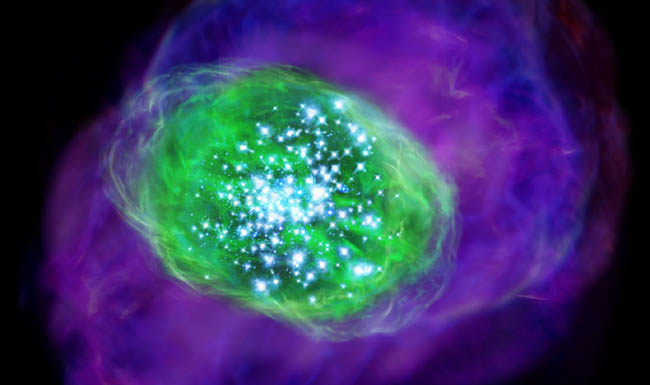
Most Distant Oxygen Ever Detected Is 13.1 Billion Light Years Away
This discovery provides firm evidence of oxygen in the very early Universe, only 700 million years after the Big Bang.

Marine Sponges Make Up Bulk Of Oceans’ Microbial Diversity
Genetic analysis of these ancient multicellular lifeforms revealed enormous complexity: one single sponge species contained 12,000 different microbes.