


The Asian Scientist 100
Can Li

Institution
University of Hong Kong
Country
Hong Kong
Field
Engineering
Li is a recipient of the 2023 Croucher Tak Wah Mak Innovation Award for his research exploring the limitations of digital computers in performing tasks accomplished by the human brain, including recognising faces, reasoning based on vague information, and learning from experience.
(Photo: University of Hong Kong)
AWARDS
- 2023 Croucher Tak Wah Mak Innovation Award
Related articles
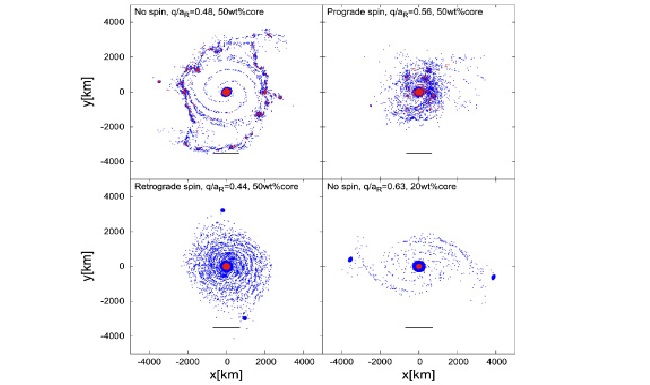
Forget Pokémon. Hunt For Centaur Rings Instead!
It is highly likely that minor planets called centaurs with rings or small moons exist, awaiting discovery by future observations.
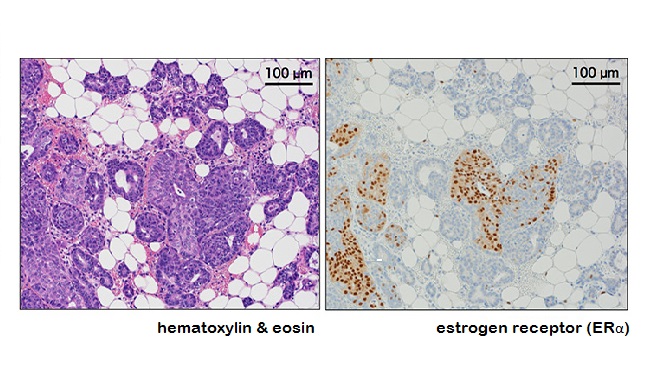
Gatekeeper Gene Suppressed Breast Cancer Tumors In Mice
The study was prompted by the discovery that Nrk-mutant mice frequently exhibited breast tumors after repetitive pregnancies or births.

RNA Editing Gone Awry Could Indicate Gastric Cancer
Proteins involved in RNA editing could potentially be used as biomarkers to detect gastric cancer at an early stage, a study finds.

Synthetic Oil Delayed ALS Symptoms In Mice: Study
A potential treatment may help delay motor neuron loss in amyotrophic lateral sclerosis, a disease brought into the spotlight by the ice bucket challenge.
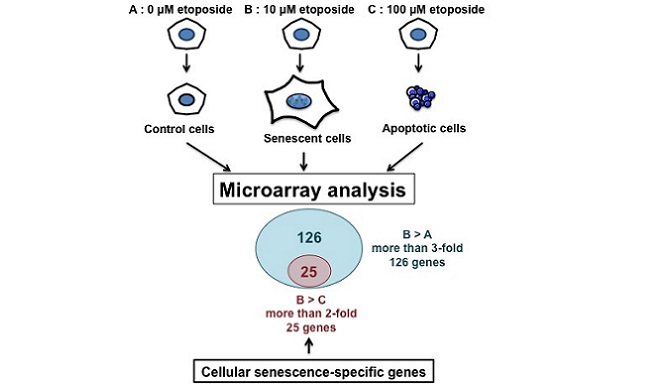
Stop Right There! These Genes Cause Cell-Cycle Arrest
Scientists have identified genes linked to cell senescence, the permanent arrest of cell growth.

Researchers Crowdsource For Novel Malarial Drugs
Once the domain of IT, researchers have adopted a crowdsourced approach to finding alternatives to artemisinin for malarial treatment.
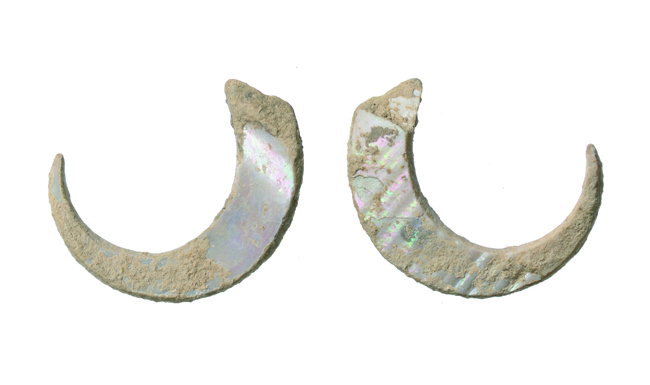
Are You Hooked Yet? World’s Oldest Fishhooks Found In Japan
The world’s oldest fishhooks, which were carved from sea snail shells, have just been found in a limestone cave on Okinawa island in Japan.

One-Pot, Two-Step Synthesis For Organic Semiconductors
Scientists in Japan have discovered a simplified method to synthesize sulfur-based organic semiconductors more efficiently.

A Baby Icy Giant Planet Is Growing Nearby
Observations of the icy giant planet, which is probably a bit more massive than Neptune, will help us better understand planet formation.