


The Asian Scientist 100
Can Li

Institution
University of Hong Kong
Country
Hong Kong
Field
Engineering
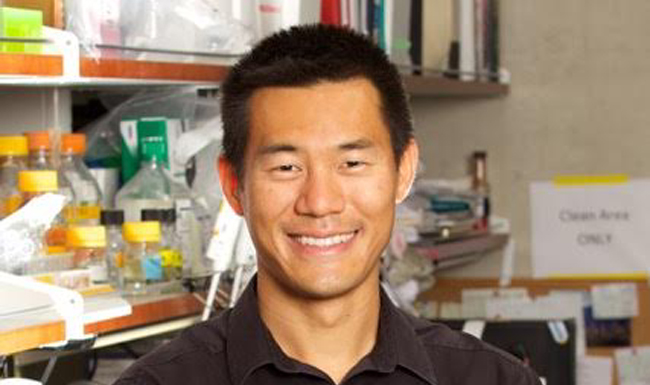
Li is a recipient of the 2023 Croucher Tak Wah Mak Innovation Award for his research exploring the limitations of digital computers in performing tasks accomplished by the human brain, including recognising faces, reasoning based on vague information, and learning from experience.
(Photo: University of Hong Kong)
AWARDS
- 2023 Croucher Tak Wah Mak Innovation Award
Related articles
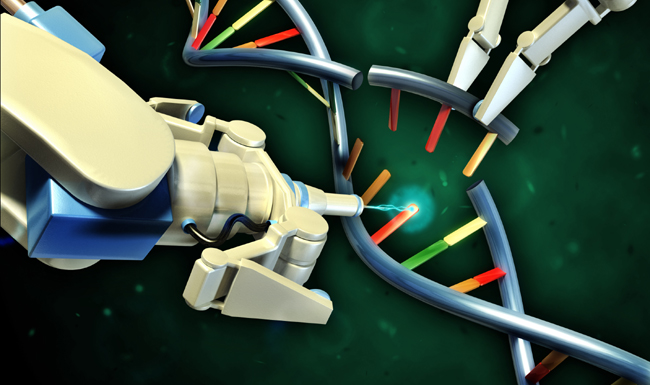
The Un-Silencing Of The Genes
Researchers have developed a technique that turns back on silenced, or switched-off, genes without causing unwanted mutations.

Is Your Gene Editing On Target? Find Out Faster & More Cheaply
Multiplex Digenome-seq helps researchers identify target sites for CRISPR-Cas9 enzymes that are least likely to have off-target effects.
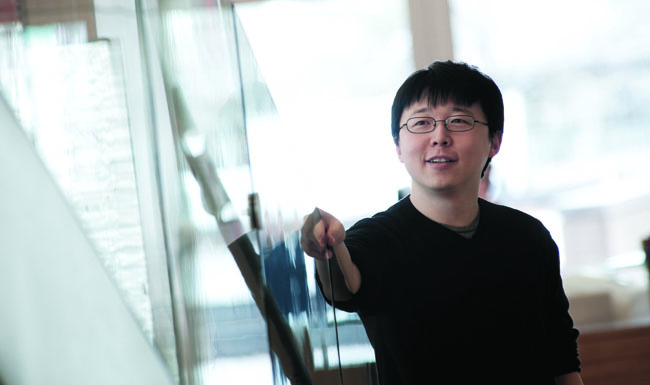
The Unassuming Revolutionary
Asian Scientist Magazine catches up with the inventor of optogenetics and CRISPR gene editing, Zhang Feng.

Nanofiber Matrix Improves Stem Cell Growth
When grown on a ‘fiber-on-fiber’ matrix, 95 percent of the pluripotent stem cells formed colonies.
Researchers Develop 2D ‘Eye’ From Induced Pluripotent Stem Cells
Scientists have mimicked the development of a whole human eye in a 2D lab culture, paving the way for futuristic cornea reconstruction techniques.
Honing The (Cancer) Killer Instinct Of iNKT Cells
Reprogramming invariant natural killer T cells in the lab increases their potency and helps them seek out and kill cancer cells.
Asia’s Rising Scientists: Gene Yeo
Gene Yeo uses genetics to explore how defects in RNA processing contribute to diseases such as neurodegeneration.

Long Live The Naked Mole-Rat
A tumor suppressor protein called ARF may be the reason why the naked mole-rat can live up to 30 years and almost never show any type of cancer.

Fish Oils Suppress Seizures Through Estrogen
Docosahexaenoic acid (DHA) from food reduces the severity of seizures in mice by causing more estrogen to be produced in the brain, researchers say.