


The Asian Scientist 100
Can Li

Institution
University of Hong Kong
Country
Hong Kong
Field
Engineering
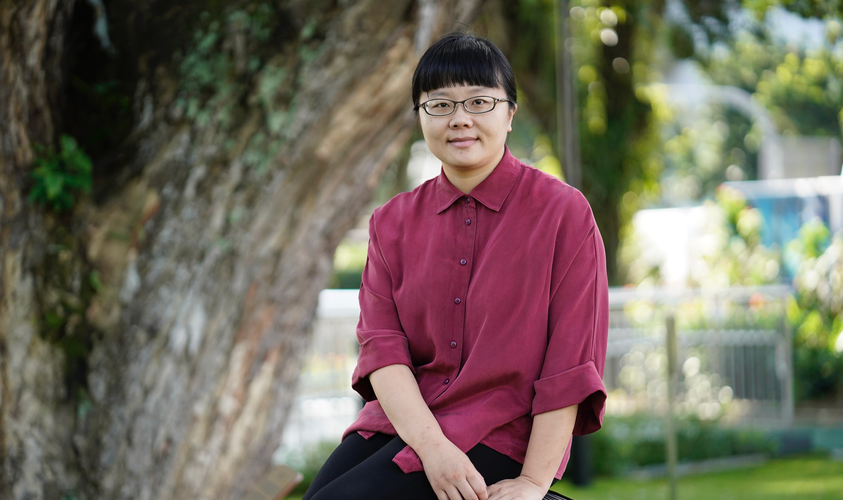
Li is a recipient of the 2023 Croucher Tak Wah Mak Innovation Award for his research exploring the limitations of digital computers in performing tasks accomplished by the human brain, including recognising faces, reasoning based on vague information, and learning from experience.
(Photo: University of Hong Kong)
AWARDS
- 2023 Croucher Tak Wah Mak Innovation Award
Related articles

NTU Singapore Launches Fast-Charging Shuttle Buses
The NTU-Blue Solutions Flash Shuttle can carry 22 passengers and receive a full charge in just 20 seconds.

7 Must-Read Stories In January 2018
Stories from our January 2018 print issues of Asian Scientist Magazine and Supercomputing Asia got the most attention this month, alongside articles on cancer and curiosity.

Playing The Woman Card In Science
Being a woman in science can be a disadvantage, but our columnist Rebecca would prefer people to focus on the ‘science’ rather than the ‘woman’ part of her identity as a professional.

Plastic Solar Cells Made Simple
Scientists in Japan and Germany have devised a simple method to fabricate polymer-based solar cells that can efficiently convert sunlight into electricity.
A Head For Hacker-nomics
Unraveling the economics of cyberattacks is just as important as grasping the technologies that hackers use to launch them, says SMU Assistant Professor Wang Qiuhong.

Keeping Top Management In Check
SMU Assistant Professor Sterling Huang examines how corporate governance structure, the threat of litigation and other factors may impact a company’s decision to cook the books.

What It Takes To Win The Student Cluster Competition
We catch up with the team from Nanyang Technological University, Singapore, that scored a record-breaking win at the SC17 Student Cluster Competition.
Chinese Scientists Successfully Clone Macaques
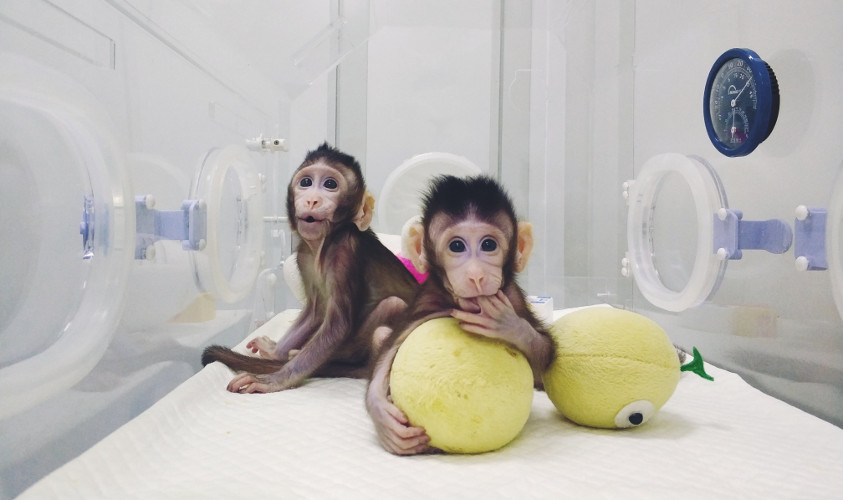
The twin macaques, named Zhong Zhong and Hua Hua, are the first primates to be cloned using somatic cell nuclear transfer.

Uncovering Treasures In The Malaria Box
Researchers from Singapore and India jointly screened a collection of 400 chemically diverse small molecules for their efficacy against two pathogenic parasites.