


The Asian Scientist 100
Can Li

Institution
University of Hong Kong
Country
Hong Kong
Field
Engineering
Li is a recipient of the 2023 Croucher Tak Wah Mak Innovation Award for his research exploring the limitations of digital computers in performing tasks accomplished by the human brain, including recognising faces, reasoning based on vague information, and learning from experience.
(Photo: University of Hong Kong)
AWARDS
- 2023 Croucher Tak Wah Mak Innovation Award
Related articles

Air Pollution Linked To Higher Mortality
Researchers found that an increase in the PM2.5 by 10 μg/m3 was linked to a 42 percent increase in ischemic heart disease.

Thin & Light Ultrahigh Strength Steel Developed
Next generation steels could be used to make lighter cars that offer just as much crash protection but consume less fuel.
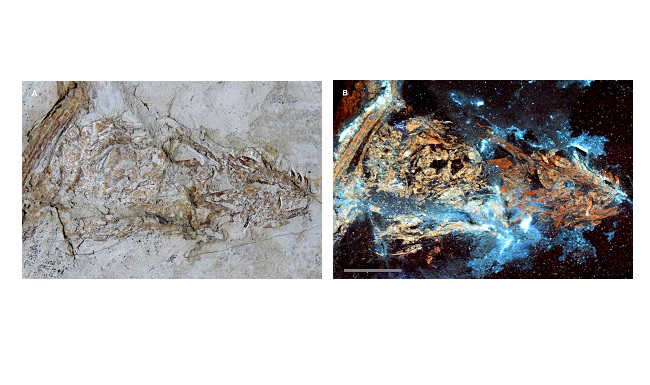
Lasers Make For Fluorescent Fossils
An affordable and non-invasive imaging method could help scientists find hidden fossils and uncover unique features.

Keeping Chief Executives In Check
Researchers at the SMU School of Accountancy are helping to find the elusive balance between holding chief executives accountable and freeing them up to innovate.

Sonic Hedgehog Signaling Implicated In Genetic Gut Disease
The sonic hedgehog signaling pathway has been found to play a role in Hirschsprung disease, where babies are born without nerve cells in their gut.

China: Rule-Taker, Rule-Shaker Or Rule-Maker?
Despite its ascent on the world stage, SMU Associate Professor Henry Gao’s research shows that China may prefer to keep a low profile in global organisations.

A Protein That Boosts Brown Fat
Targeting such proteins that convert white fat into brown fat could one day help people lose weight without exercise.

Hong Kong’s First Dinosaur-Era Fish Identified
An undergraduate student has helped to identify the first vertebrate fossil from the Jurassic era to be discovered in Hong Kong.

Super Plant Solution To Both Climate Change & Food Security
Targeting the protein AtPAP2 to both the mitochondria and chloroplasts makes plants grow faster and produce 38 to 57 percent more seeds.