


The Asian Scientist 100
Can Li

Institution
University of Hong Kong
Country
Hong Kong
Field
Engineering
Li is a recipient of the 2023 Croucher Tak Wah Mak Innovation Award for his research exploring the limitations of digital computers in performing tasks accomplished by the human brain, including recognising faces, reasoning based on vague information, and learning from experience.
(Photo: University of Hong Kong)
AWARDS
- 2023 Croucher Tak Wah Mak Innovation Award
Related articles

The Greatest Adventure In The World
Nobel Laureate Sydney Brenner, who is also Singapore's first honorary citizen, has been deeply involved in biomedical research in Singapore since the 1980s.

Different Shades Of Blue: A Closer Look At Depression
Researchers have identified three subtypes of depression, including one that is unresponsive to commonly prescribed anti-depression drugs.

7 Must-Read Stories In October 2018
October was Nobel season—check out our stories on Physiology or Medicine laureates Professor Tasuku Honjo (2018) and Sir Richard J. Roberts (1993).

Informing The Search For Superconducting Materials
Scientists in Japan have used data science methodologies to discover and develop superconducting materials.
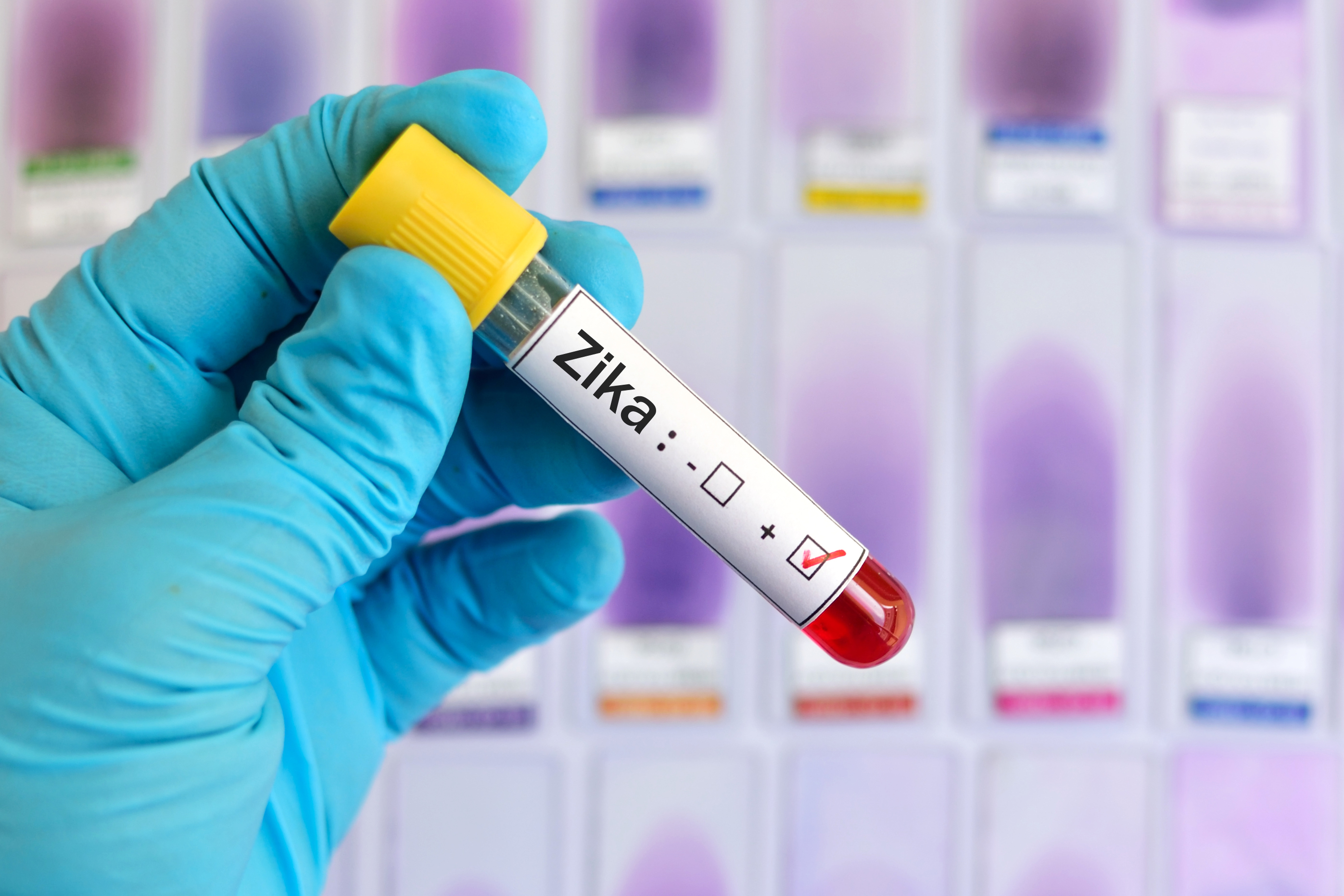
Targeting The Achilles’ Heel Of Zika Virus
Singapore-based scientists have engineered a peptide that can rupture the Zika virus membrane and pass through the blood-brain barrier, making it a potential therapeutic against the disease.

WuXi And CECD Join Forces To Create Big Data Solutions For Healthcare
The joint venture will use big data, cloud computing and artificial intelligence to advance research in healthcare and pharmaceuticals.

Brainwave Measurements An Early Indicator Of Autism
Researchers in Japan have identified gamma oscillations in the brain as a potential diagnostic for autism spectrum disorder in children.

Brain-Eating Amoebae Be Gone!
Scientists in Malaysia have discovered that anti-seizure drugs coupled with silver nanoparticles could be used to kill brain-eating amoebae.

Uncovering A 400-Million-Year-Old Pheromone Sensor
A research group in Japan has discovered a pheromone-sensing gene that predates land-dwelling vertebrates.