


The Asian Scientist 100
Can Li

Institution
University of Hong Kong
Country
Hong Kong
Field
Engineering
Li is a recipient of the 2023 Croucher Tak Wah Mak Innovation Award for his research exploring the limitations of digital computers in performing tasks accomplished by the human brain, including recognising faces, reasoning based on vague information, and learning from experience.
(Photo: University of Hong Kong)
AWARDS
- 2023 Croucher Tak Wah Mak Innovation Award
Related articles
Asia’s Rising Scientists: Witri Wahyu Lestari
Dr. Witri Wahyu Lestari is helping to develop the catalysts necessary for obtaining more ecologically-friendly fuels.

How Clean Is The Air On Your MRT Train?
Airborne threats can be detected by sampling aerosols in public spaces, say researchers from Singapore.
Lighting The Way For Optical Nanomaterials
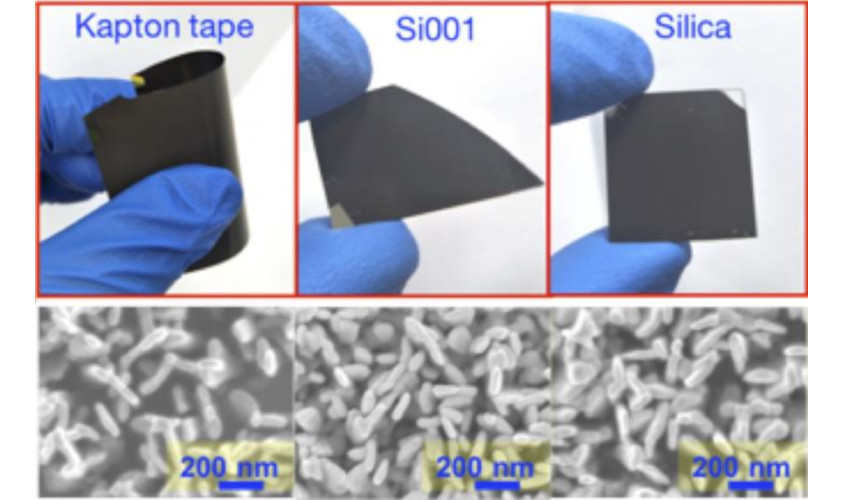
Researchers in Singapore have fabricated a nanomaterial that absorbs visible and infrared light, and can be easily deposited onto other materials.

Observing The Dance Of Crystal Lattices
Scientists have used atomic force microscopy to observe the dynamic changes that occur on the surfaces of shape-shifting structures called porous coordination polymers.

Scanning Zebrafish Brains In Search Of New Drugs
Researchers have developed a high-throughput method of identifying drug candidates for the treatment of neurological disorders.

A Kill Switch For Genetically Modified Algae
By preventing bioengineered microalgae from growing outside the lab, researchers have reduced the risk of the genetically modified organisms escaping into the wild.

Decoding Cell-Specific DNA Methylation
Scientists in China have developed an algorithm that can link epigenetic modifications to specific cell types with 90 percent sensitivity.

High Blood Pressure Prevalent In India, Study Finds
One in five Indian young adults have hypertension, prompting recommendations for blood pressure screening starting at 18 years of age.

Making Way For Muography
Scientists in Japan and Hungary have announced the opening of the NEWCUT laboratory, the world’s first facility dedicated to the study of muography.