


The Asian Scientist 100
Can Li

Institution
University of Hong Kong
Country
Hong Kong
Field
Engineering
Li is a recipient of the 2023 Croucher Tak Wah Mak Innovation Award for his research exploring the limitations of digital computers in performing tasks accomplished by the human brain, including recognising faces, reasoning based on vague information, and learning from experience.
(Photo: University of Hong Kong)
AWARDS
- 2023 Croucher Tak Wah Mak Innovation Award
Related articles

India’s Skilled Health Workforce Falls Short Of WHO Threshold
Researchers highlight shortages in skilled health workers in India, especially in rural parts of the country.
Philippine Space Agency: From A Dream To Reality
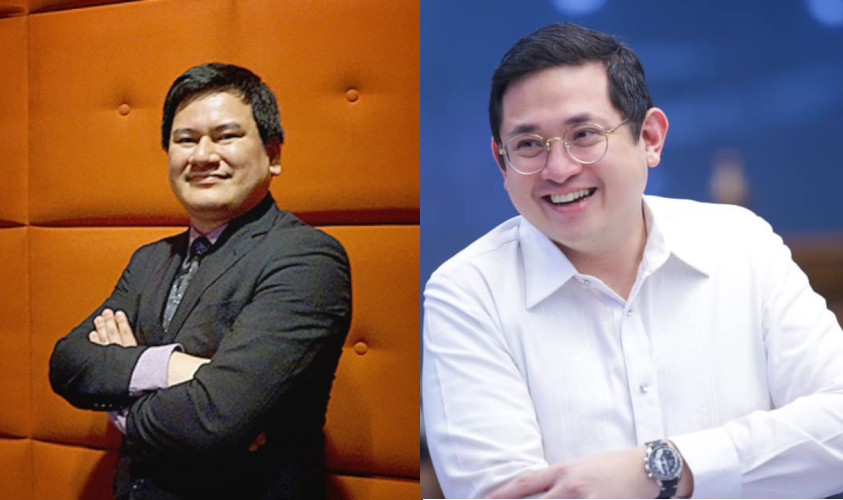
Now that the Philippine Space Agency law is just a signature away from reality, we talked to two of the main persons behind the legislation, Dr. Rogel Mari Sese and Senator Bam Aquino.

The Future Of Science We Make (VIDEO)
Ten students from Asia will present their ingenious projects like making medical technologies affordable and using food waste as an energy source at the Google Science Fair in California, USA this year.
AI Sheds Light On Protein Structure
Chinese researchers are using artificial intelligence to predict protein structures and their resultant properties.

Uncovering The Origins Of Marijuana Use
Scientists have found psychoactive compounds preserved in 2,500-year-old funerary incense burners in eastern Pamirs, China.

Asia’s Rising Scientists: Liu Zheng
Associate Professor Liu Zheng is pushing the boundaries of atomically thin materials, a boon for the fields of electronics, energy generation and catalysis.

Suppressing Parathyroid Gland Overactivity
A protein known as semaphorin3d was found to inhibit a signaling pathway that promotes parathyroid growth.
Unlocking The Potential Of Spintronics
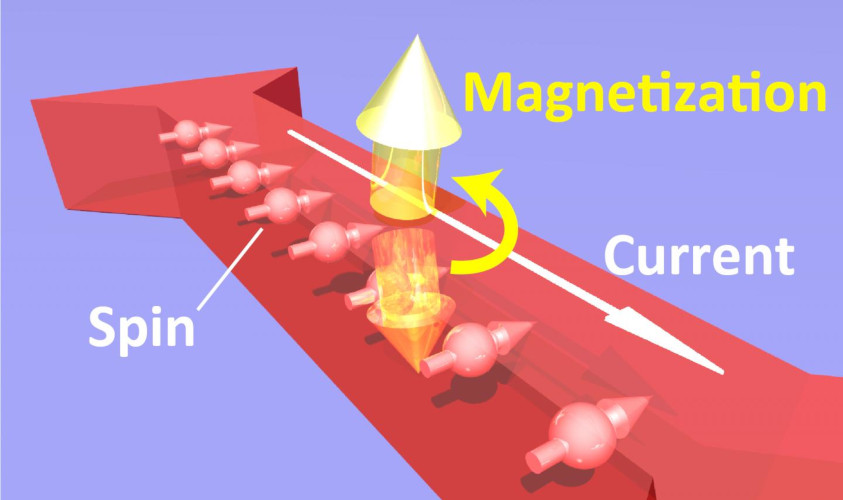
Researchers in Japan have developed a thin film made of gallium manganese arsenide that can be reversibly magnetized, with implications for computational logic and memory.

Seeing 3D Protein Structures Inside Living Cells
By combining nuclear magnetic resonance with computational methods, researchers in Japan are able to map out protein structures inside living eukaryotic cells.