


The Asian Scientist 100
Can Li

Institution
University of Hong Kong
Country
Hong Kong
Field
Engineering
Li is a recipient of the 2023 Croucher Tak Wah Mak Innovation Award for his research exploring the limitations of digital computers in performing tasks accomplished by the human brain, including recognising faces, reasoning based on vague information, and learning from experience.
(Photo: University of Hong Kong)
AWARDS
- 2023 Croucher Tak Wah Mak Innovation Award
Related articles
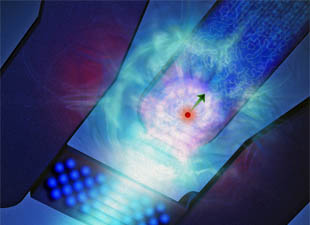
The Tiniest Computer Unit On Earth: A Single Silicon Atom
An Australian team has created the world’s first working quantum bit based on a single atom in silicon, opening the way to ultra-powerful quantum computers of the future.

Cassava, Southeast Asia’s Rambo Root, Threatened By Invasive Pest Outbreaks
Cassava - a key crop for tapioca, animal feed, and biofuels - faces pest risks, according to new research discussed at the Climate Smart Agriculture Conference in Bangkok.
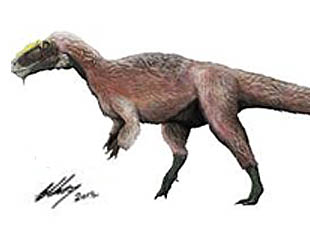
Gigantic Relative Of T. Rex, Yutyrannus Huali, Is Largest Known Feathered Dinosaur
Paleontologists have discovered three specimens of a new tyrannosauroid from Northeastern China that had bird-like feathers.

How Does A Woodpecker Avoid Brain Injury?
Chinese scientists have unraveled answers to a long-standing question – how do woodpeckers avoid head injury when they peck on wood at such high speed and frequency?

Modern Day Chinese Surnames Flow From The Yangtze River, Study
What do Chinese surnames tell us about the culture, genetics, and history of our society?

Osteoporosis Risk May Be Written In Our Genes, Study
A major new international study has for the first time shown that the risk of osteoporosis and bone fracture is strongly related to gene variation.
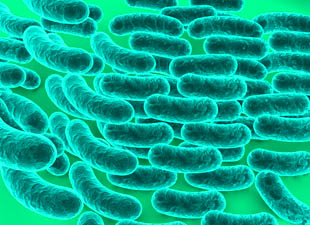
Gene May Offer Clues To Asian Superbug Epidemic
Scientists have discovered a rapidly emerging Staphylococcus aureus gene which is establishing methicillin-resistant S. aureus epidemics across Asia.

Pollution In China To Increase, Says Chinese Study
China's economic growth will continue to be energy-intensive and highly polluting for the foreseeable future, says a grim forecast from the Chinese Academy of Sciences.
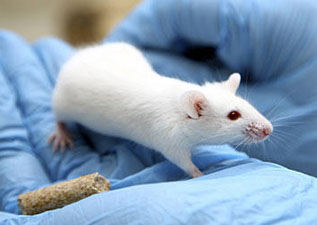
Protein May Increase Lifespan In Premature Aging, Heart Disease
Scientists have discovered that they can dramatically increase the life span of mice with premature aging and heart disease by reducing levels of a protein called SUN1.