


The Asian Scientist 100
Can Li

Institution
University of Hong Kong
Country
Hong Kong
Field
Engineering
Li is a recipient of the 2023 Croucher Tak Wah Mak Innovation Award for his research exploring the limitations of digital computers in performing tasks accomplished by the human brain, including recognising faces, reasoning based on vague information, and learning from experience.
(Photo: University of Hong Kong)
AWARDS
- 2023 Croucher Tak Wah Mak Innovation Award
Related articles

Closing In On The Cause Of Alzheimer’s Disease
The unpredictability of Alzheimer's disease may be partly caused by changes in star-shaped cells in the brain called astrocytes, find scientists from South Korea.

Sniffing Out The Evolution Of Rodent Pheromones
According to researchers in Japan, rodent pheromones may have originated from a combination of two ancient vertebrate genes.

Two From Asia Win UNESCO’s Man And The Biosphere Young Scientists Awards
Two early-career scientists from Indonesia and the Philippines were recognized for their efforts to promote sustainable development in ecosystems.
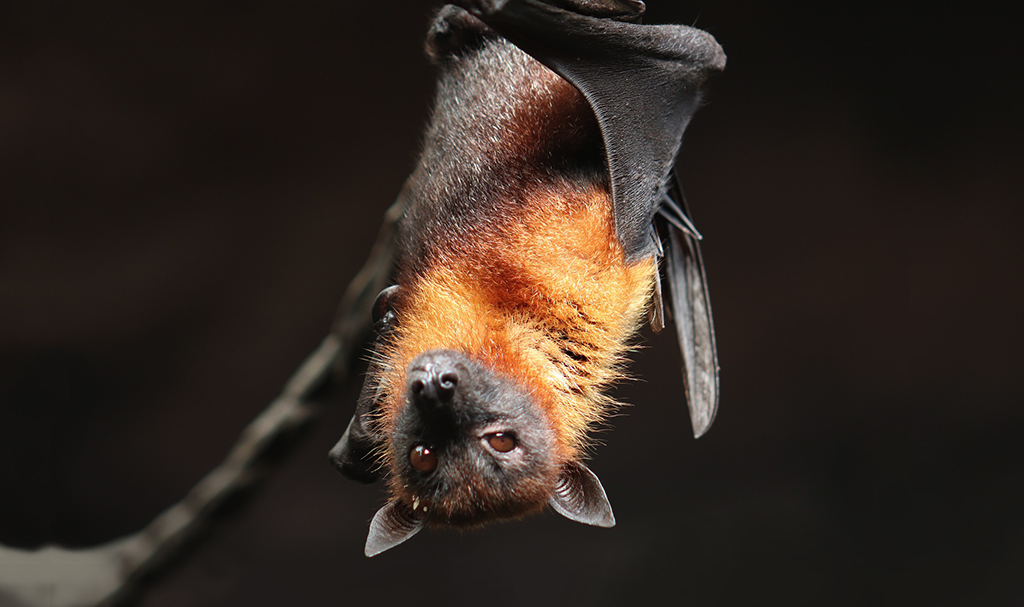
How Bats Can Carry Viruses Without Getting Sick
Scientists in Singapore have discovered that a subdued immune response may be the reason why bats can harbor deadly viruses without batting an eyelid.

Sinovac’s CoronaVac Trials Show Favorable Results
Early clinical trials show that Sinovac’s COVID-19 vaccine candidate safely induces an immune response in healthy volunteers within a month of vaccination.

Profiling A Panorama Of Pathologies
By targeting nearly 400 miRNAs linked to over 20 different diseases with a single product, MiRXES’ ID3EAL PanoramiR microRNA knowledge panel proves that it’s possible to achieve more with less.

How The Venus Flytrap Remembers Without A Brain
No brain? No problem! Through changes in calcium ion concentration, the Venus flytrap can store ‘memories’ of its prey.
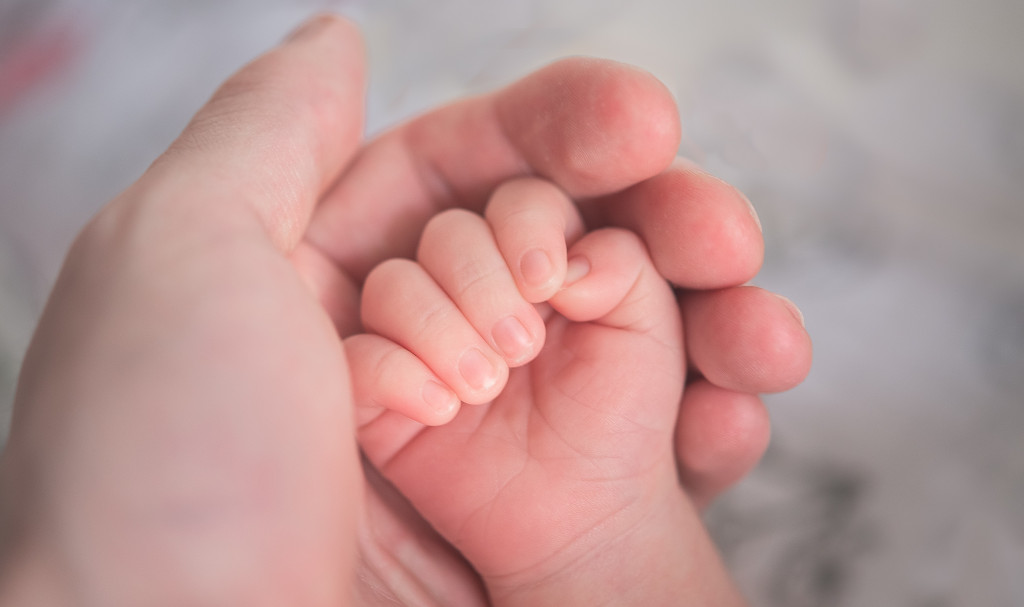
Mothers Pass Allergies To Babies In The Womb
Highly allergic pregnant mothers may transfer the key antibody that triggers allergic reactions to offspring in the womb.

Sensing COVID-19 In Just 30 Minutes
A test designed by scientists from South Korea can detect SARS-CoV-2 and other harmful microorganisms in about 30 minutes.