


The Asian Scientist 100
Boon Chin Tan
Institution
Universiti Malaya
Country
Malaysia
Field
Agricultural Sciences
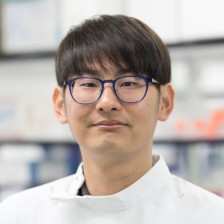
Tan received the 2024 Distinguished Scientist Award from the Malaysian Society for Molecular Biology and Biotechnology. Tan has made significant contributions to agricultural research, specializing in plant molecular biology and biochemistry.
(Photo: Universiti Malaya)
AWARDS
- 2024 Distinguished Scientist Award
Related articles

Igniting Innovation—Bashir Ahmad of Liquinex Group
The sharing and co-development of synergistic water purification techniques will help secure the world's supply of clean, drinkable water, says Bashir Ahmad, CEO of Liquinex Group.

Asia’s Big Biomedical Bet Pays Off
From performing outsourced research and manufacturing generics, Asia's biomedical researchers are now among the world's most innovative.

Seeing Flow Cytometry In A Whole New Light
Combining flexibility, ease of use and sensitivity in one affordable platform, Cytek’s Biosciences Inc.’s Northern Lights flow cytometer promises to bring cell analysis within the reach of many.
Asia’s Scientific Trailblazers: Marcelo Ang
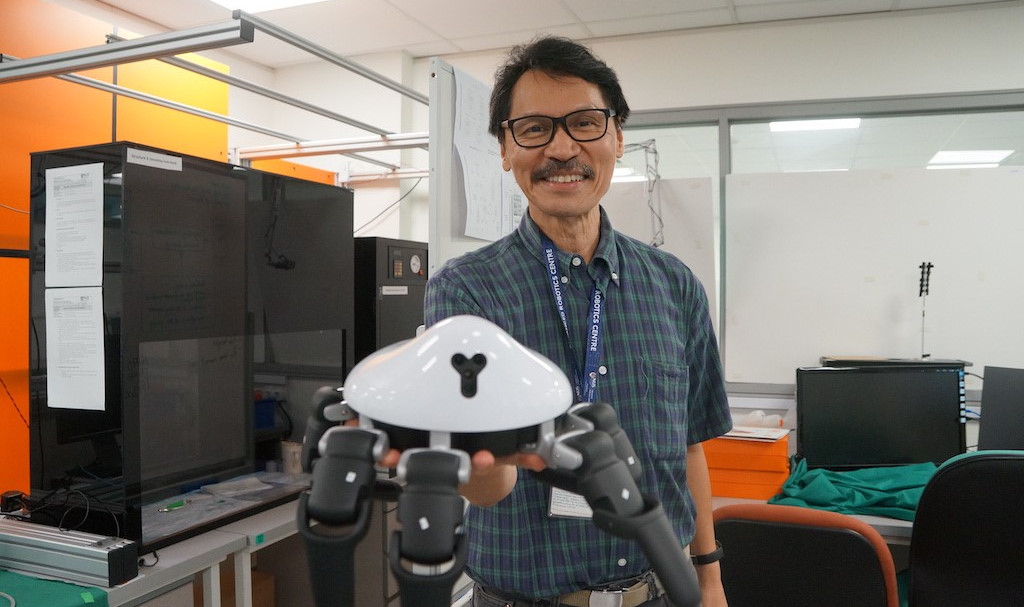
One of Singapore’s robotics pioneers, Professor Marcelo Ang Jr’s research promises to take driverless cars and personal robotic assistants outside the realm of imagination and into the mainstream.

Ctrl-Alt-Meat
Alternative meat, otherwise known as ‘alt-meat,’ is having quite a moment in Asia, with strong venture capital interest and increasing public awareness and acceptance.
Tech Doing Good
From cleaning up mountains of untreated sludge to making railway stations fully solar-powered, technology is an ally to those hoping to solve Asia’s environmental problems.

Asia’s Rising Scientists: Liu Zheng
Associate Professor Liu Zheng is pushing the boundaries of atomically thin materials, a boon for the fields of electronics, energy generation and catalysis.

i-Tiles For Teaching Special Needs Students
Scientists in Singapore have developed an interactive education system to help students with special needs learn better.

Sticky Situations A Boon For Polymer Science
Researchers in Japan have found a way to make industrial polymers sticky without the use of glue or other binding substances.