


The Asian Scientist 100
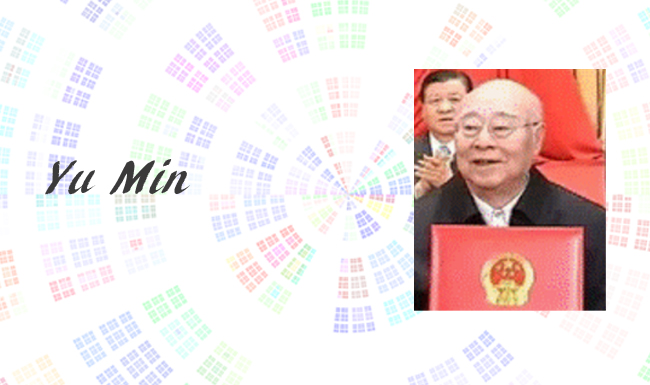
Yu Min
Academician
Institution
Chinese Academy of Sciences
Country
China
Field
Physics
Yu was given the 2014 National Highest Science and Technology Award, China’s top science award, for his research into hydrogen bombs.
(Photo: Peking University)
Related articles

Diet, Location And Your Kid’s Gut Bacteria
An Asia-wide study of the gut microbiota of primary school children has identified differences linked to diet and geographical location.

POEM, The Key To Seed Without Sperm
A new study suggests that pollen tube contents alone can induce seed enlargement, contradicting our previous understanding that fertilization is essential for seed development.
Peptides Bridge The Artificial And Biological
Genetically engineered peptides that can bridge the gap between synthetic materials and biomolecules could be used for ‘seamless’ bioelectronic devices.

Stress-busting Protein Also Makes Breast Tumors More Aggressive
An enzyme that helps breast cancer cells regulate their oxidative stress levels can also make them more aggressive, according to this study.

12 Scientists From Japan To Watch
By no means an exhaustive list, these 12 scientists have made significant contributions to Japan's science and technology landscape.

Wearable Robotic Limb Helps Patients With Gait Rehab
Scientists have designed a wearable lower-limb robot that features natural knee movement to improve patient comfort and their willingness to wear it.
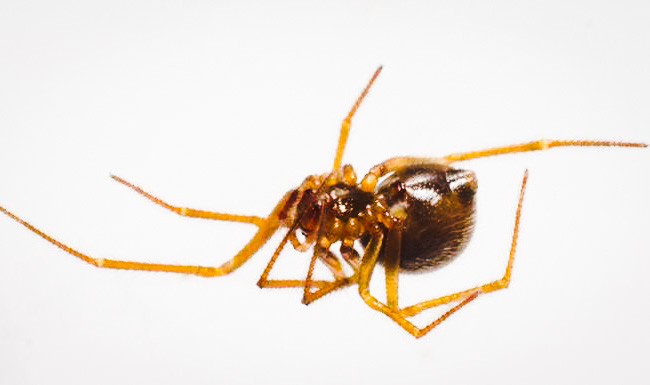
43 New Species Of Scaffold Web Spider Discovered In Asia
Try not to run screaming in the other direction. This discovery increases the number of known scaffold web spider species by 20 percent.

A Bite-Sized Lesson On Jaw Evolution
The discovery of a fish fossil in China fills a big gap in our understanding of how vertebrate jaws evolved.

Body Size And Flight Style Determine How Far Birds Migrate
Larger flapping birds, such as cranes, geese, and swans migrate shorter distances than soaring birds such as raptors, vultures, and albatrosses.