


The Asian Scientist 100
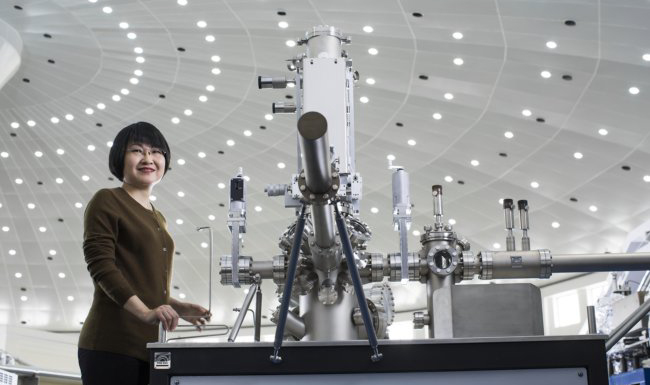
Xie Yi
Professor
Institution
University of Science and Technology of China
Country
China
Field
Chemistry
Xie was honored with a L’Oréal-UNESCO For Women in Science Award in 2015 for creating new nanomaterials with promising applications in the conversion of heat or sunlight into electricity.
(Photo: L’Oréal)
Related articles

Whither The Water?
It may not be the sexiest of topics, but a lack of access to clean water kills over 2,000 children a day.

Flies Experience Anxiety, Too
Researchers have identified genes linked to wall-following behavior in flies when they are feeling anxious, shedding light on the fundamental mechanisms underlying anxiety.
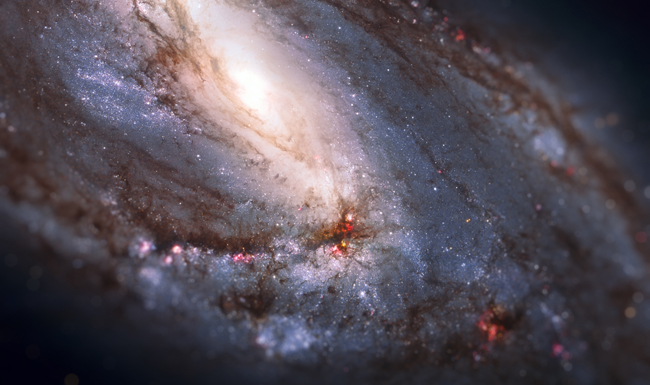
Fast Radio Bursts Solve The Mystery Of The Missing Matter
Scientists have detected a fast radio burst coming from a galaxy billions of light years away, helping to confirm the presence of previously ‘missing’ matter.
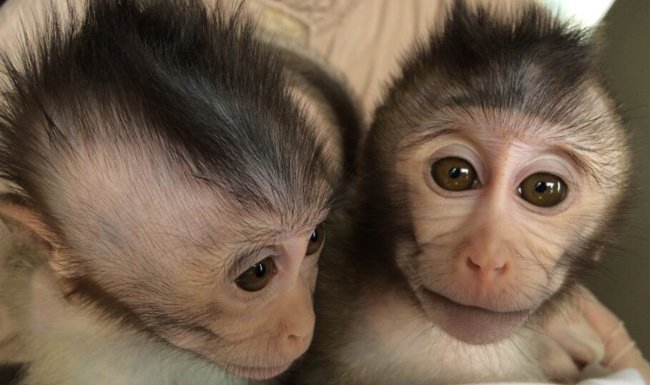
Monkeys Genetically Modified To Show Autism-Like Behavior
A monkey model of autism which more closely mimics the condition in humans could help researchers understand what causes the disease.

Gene Variation Could Protect Against ‘Chemobrain’
A genetic variation in the BNDF gene affects whether women undergoing chemotherapy experience the side effect of cognitive impairment.
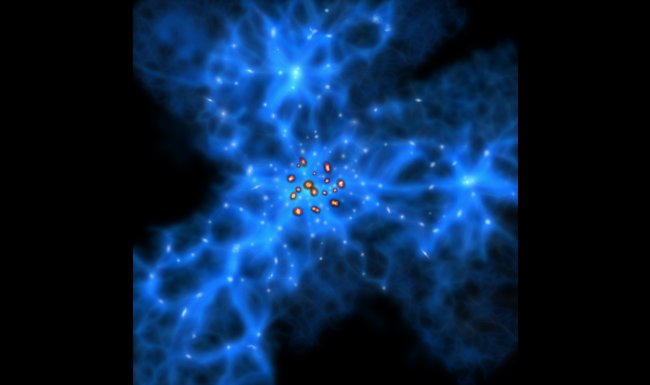
ALMA Spots Monstrous Baby Galaxies Cradled In Dark Matter
By detecting submillimeter wavelength radiowaves, astronomners have identified three monstrous galaxies in a web of dark matter.

Galaxies Were More Efficient When The Universe Was Young
Thanks to powerful space telescopes, scientists have captured the carbon monoxide emissions of starbursts in the early universe.

Monstrous Galaxy At Edge of The Universe Detailed
Scientists have worked out how to use gravity as a lens, bringing a huge galaxy at the edge of the universe into focus.

Citizen Scientists Discover Potential Gravitational Lenses
Citizen scientists have helped to identify 29 new potential gravitational lenses, galaxies so huge that their gravitational force bends light.