


The Asian Scientist 100
Max Lu
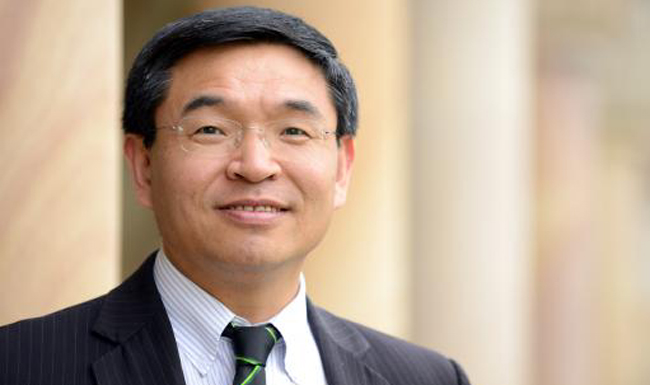
Provost and Senior Vice-President
Institution
University of Queensland, Australia
Country
China
Field
Chemistry
The Chemical Society of Japan gave Lu the Colloid and Surface Chemistry Lectureship Award 2015 for developing advanced materials in the areas of clean energy, the environment and healthcare.
(Photo: University of Surrey)
Related articles
Asia’s Rising Scientists: Andy Tay
By pushing the boundaries of biomedical engineering, Dr. Andy Tay is boosting our body's natural defences in surprising new ways.

Pushing Diamond To Its Limits
Similar to how pressure turns coal into diamonds, subjecting diamonds to large amounts of strain gives desirable electronic properties to the gem.

Profiling A Panorama Of Pathologies
By targeting nearly 400 miRNAs linked to over 20 different diseases with a single product, MiRXES’ ID3EAL PanoramiR microRNA knowledge panel proves that it’s possible to achieve more with less.

The Electrifying Effect Of Bending Diamonds
Bending diamond nanoneedles close to their breaking point makes them behave like metals and conduct electricity.

On The Cusp Of CRISPR
When Yoshizumi Ishino first encountered in 1986 the mysterious sequences that would later come to be known as CRISPR, he was as far away from the present day as he was to the discovery of the double helix. Here is the story of what has happened since then.

Seeing Flow Cytometry In A Whole New Light
Combining flexibility, ease of use and sensitivity in one affordable platform, Cytek’s Biosciences Inc.’s Northern Lights flow cytometer promises to bring cell analysis within the reach of many.

The Defence Science Maverick
Professor Lui Pao Chuen, Singapore's ex-chief defence scientist, took one for the team, literally—he once got hit in the arm with shrapnel from an exploding bullet while testing equipment for the military.
Bees Pack More Food If Rewards Are Uncertain
When faced with uncertain rewards from their foraging journeys, honey bees reduce the risk of starvation by carrying more food with them.
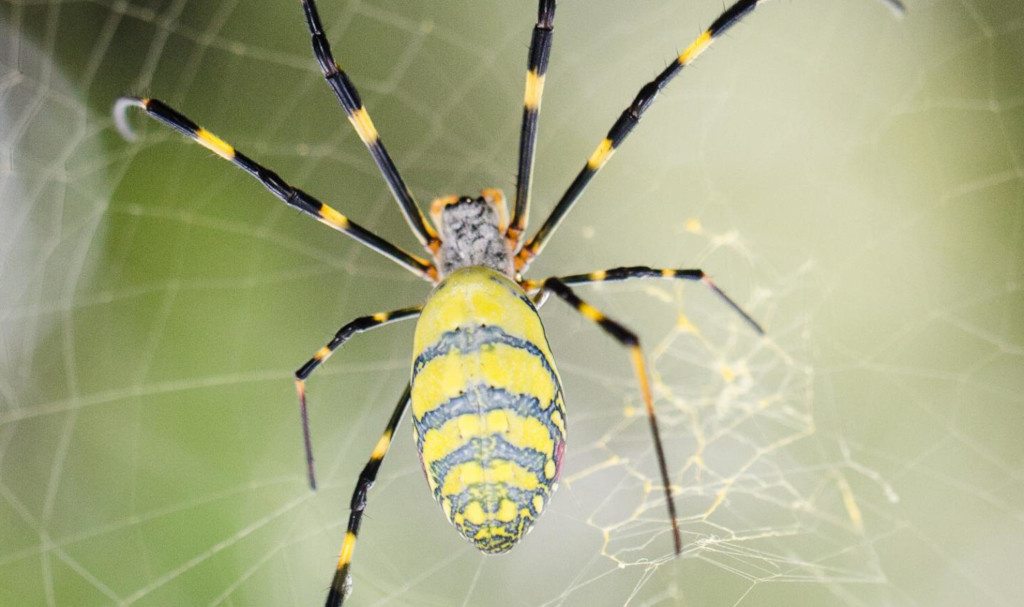
Scaling Up Spider Silk Production
Researchers in Japan have produced artificial spider silk using photosynthetic bacteria, opening the possibility of mass produced spider silk.