


LATEST NEWS
Sentinext Secures US$14 Million For HFMD Vaccine
Sentinext's latest round of funding will see the development of their hand, foot and mouth disease vaccine to Phase I clinical trials.
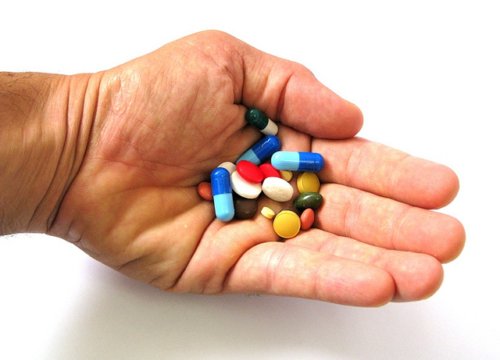
Why Placebos For Chemo Are Hard To Swallow
A double-blind clinical trial may be the gold standard, but are there situations where it would not be ethical?
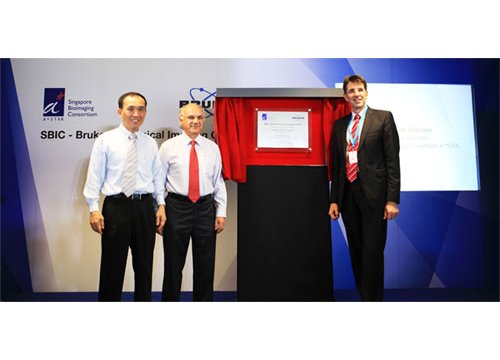
Bruker Opens Asia’s First Preclinical Imaging Center
The SBIC-Bruker PCI center gives A*STAR scientists access to Bruker's advanced imaging platforms.
GE Healthcare & Takeda Form Alliance For Liver Disease
GE Healthcare's MR elastography technology will aid researchers in non-invasively assessing liver stiffness in the search for new drugs.

Using Nanoparticles & Graphene To Degrade BPA
Scientists have developed a catalyst that can break down pollutants such as BPA with the help of light.

Anti-Counterfeiting Ink Inspired By Beetles
A color changing ink inspired by the longhorn beetle could make counterfeiting money more difficult.

The ‘Frankenstein’ DNA Of Cancer Cells
Giant neochromosomes found in certain cancers are stitched together from fragments formed after catastrophic chromosomal 'explosions'.

Coupled Catalysis Converts CO2
The ability to harness sunlight to convert carbon dioxide to methanol brings scientists one step closer to artificial photosynthesis.
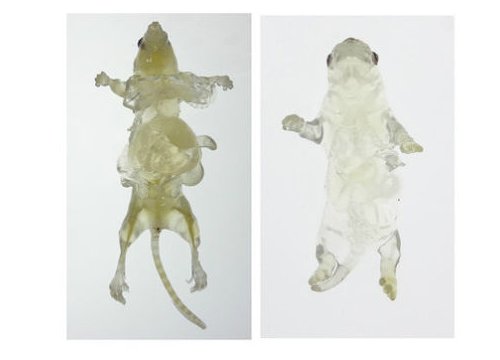
Images Of Transparent Mice
The ability to see through the normally colored tissue of mice gives scientists unprecedented insight into the inner workings of the body.


