


LATEST NEWS

Tai Chi May Help Reduce Blood Pressure
Traditional Chinese exercises such as Tai Chi, Qigong and Baduanjin have been found to have beneficial effects on blood pressure in people living with heart disease.

Chikungunya Misdiagnosis Masks True Disease Burden Worldwide
This viral disease is often misreported as better-known dengue; as such, chikungunya is likely to be found in many additional countries.

Geologist Wins Khwarizmi International Award
Professor Zhao Guochun from the University of Hong Kong is the first ever geologist to receive this award in recognition of his significant scientific achievements.

Researchers Develop World’s Thinnest Lens
At one two-thousandth the width of a human hair, this lens could have potential applications in miniature cameras and flexible computer displays.

Precise Measurement Of Antineutrino Spectrum Reveals Calculation Discrepancy
The most precise measurement of an antineutrino spectrum to date shows that calculations based on theoretical models may not be so accurate.

Asia’s Rising Scientists: Benjamin Tee
Benjamin Tee develops electronic skin which can sense mechanical forces and self-heal repeatably—particularly useful for robotics and prosthetics.

Seawater Analysis Gives ‘Snapshot’ of Fish Distribution
By testing seawater samples for environmental DNA, researchers can accurately predict the distribution and school size of saltwater fish within specific locations in the ocean.

For Macaques, The Popular Girls Have Less Cooties
Female macaques who are more central to their social networks were found to have less lice as they are groomed more often.
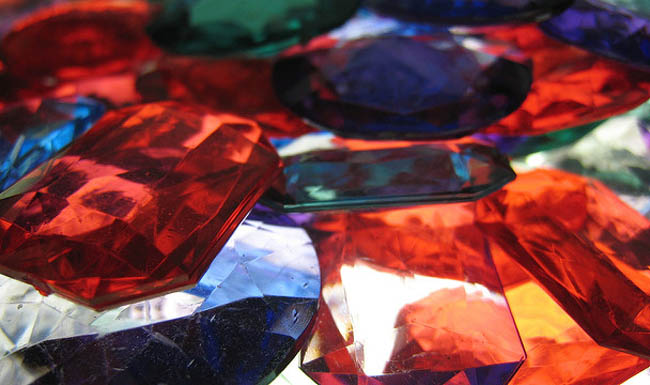
Microwave Heating Can Make Rubies Redder
Researchers in India have found that microwave heating can improve the color saturation, clarity and luster of rubies.


