


IN THE LAB

Self-Organization Without Static Interactions
Scientists have shown that self-organizing systems can be achieved through flow alone, challenging previous assumptions.

Measuring Interstellar Distances More Accurately
A model linking reddening with cosmic dust density could lead to a more accurate way of measuring interstellar distances.

Experts Call For Borneo’s Integrated Conservation
An integrated approach, including not only the mountain rainforests but also the lowlands, is required to preserve Borneo's biodiversity, experts say.

How Inversion Tricks The Brain
Researchers have mapped the neural pathways required for the normal recognition of faces, explaining why orientation makes inversions difficult to spot.
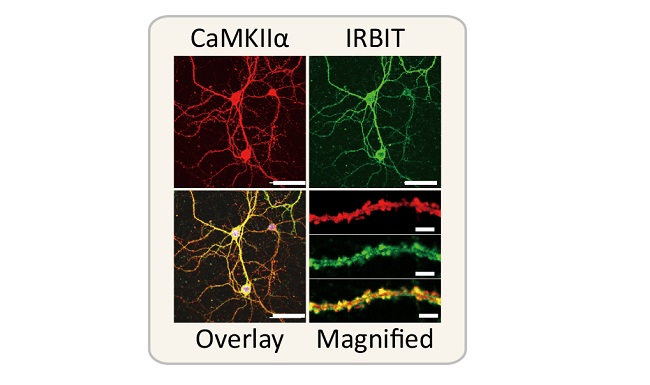
IRBIT Linked To Balanced Social Behaviors In Mice
A study in mice has linked the lack of a protein that regulates the levels of dopamine in the brain to abnormal social interactions in mice.

Measuring The Value Of Science: It’s Not Always About The Money
Monetary gains are just one way of quantifying the benefits of doing science, writes Rod Lamberts.

Supergene Controls Batesian Mimicry In Butterflies
An inversion of the supergene containing the doublesex gene determines whether or not female butterflies can mimic their unpalatable relatives.
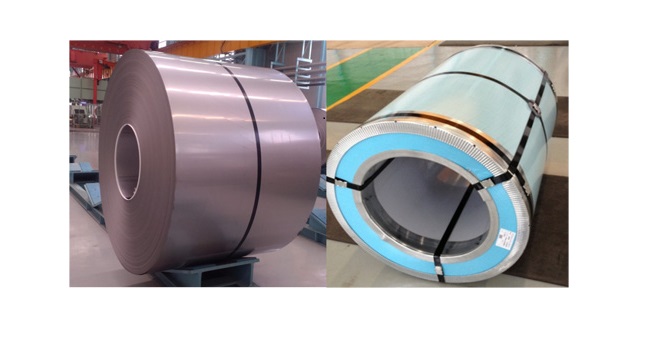
CAS Trials Industrial Production Of Antibacterial Stainless Steel
The antibacterial steel developed by researchers at the Chinese Academy of Sciences could find applications in medical devices and implants.
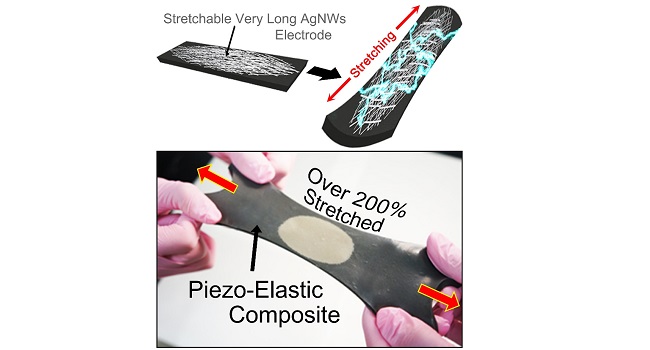
A Hyper-Stretchable Energy Harvester
Flexible energy generating devices such as the stretchable elastic-composite generator could be used to power wearable devices.


