


IN THE LAB
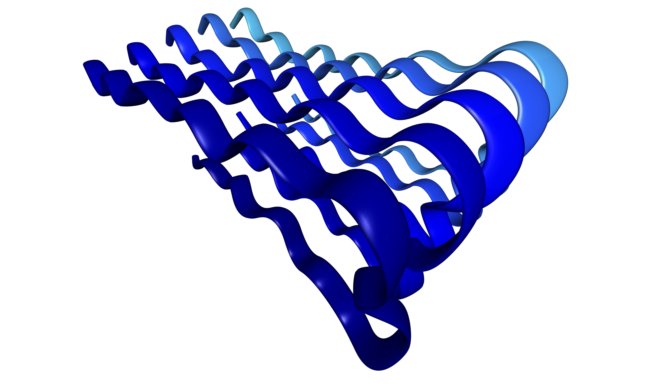
An Alternative Way To Suppress Aβ In Alzheimer’s
Targeting TRPC6 instead of γ-secretase could be a promising way of treating Alzheimer's disease, according to a study in mice.

Astronomers Reach For The Planetary Nebulae
Astronomers have developed a method to measure the size of planetary nebulae that works over a factor of more than six powers of ten in surface brightness.

Quickly & Cheaply Distinguishing Chemical Lookalikes
Researchers have developed a versatile method to identify biologically important chiral compounds through NMR.

Liquid Acoustics Reveal Earth’s Core
The Earth's core contains carbon, but also other unknown light elements, say scientists from RIKEN's SPring-8 Center.

How Cancer Cells Launch A Counterstrike Against BET Inhibitors
Cancer cells that develop resistance to BET inhibitors do so by recruiting the help of leukemia stem cells.

Culturing Cancer Cells For Personalized Treatments
Researchers have boosted the success rate of culturing circulating tumor cells from blood samples to 60 percent, paving the way for personalized treatments.

Cooking With Chloraminated Water Could Create Toxic Molecules
Chloraminated water can interact with iodized table salt during cooking to form new compounds that are highly toxic, scientists warn.

What Makes Ants Male Or Female?
Two genetic regions, one more than 100 million years old and the other new to science, control sex determination in ants, scientists say.

Stored Fat Fights Against The Body’s Attempts To Lose Weight
Fat cells produce a protein called sLR11 that actively resists efforts to burn fat, scientists say.


