


IN THE LAB

Scientists Sweeten Tomatoes Without Sacrificing Size
A strategy to boost sugar content in tomatoes without sacrificing size could be widely applied to other flowering plants, scientists say.

3D Printed Parts Toxic To Zebrafish Embryos
Exposure to 3D printed discs caused zebrafish embryos to die within seven days, highlighting the potential toxic impact of 3D printing.

Worms Found To Be Humans’ Distant Cousins
DNA sequencing of acorn worms suggests that the human thyroid gland may have evolved from early filter feeding gills.

Blood Vessel Formation Mathematically Modeled
By combining experiments with computer simulations, scientists have come up with a mathematical model that explains blood vessel formation.

Meteor-Inspired Magnets Without Rare Earth Metals
Researchers have developed a way to create magnets similar to those found in meteorites in a few days instead of billions of years.

Monkeys Harbor Diverse Astroviruses, Including Human Strains
The discovery that monkeys in Bangladesh and Cambodia can harbor viruses normally found in pigs, birds and humans challenges the paradigm that astroviruses are species-specific.

Koala’s Genetic Diversity Suggests Decline Caused By Humans
Unlike other marsupials, koalas are not in bred, suggesting that other factors are responsible for their decline.

Is The Meat Safe To Eat? Nanotubes Have The Answer
Fluorescent nanotubes that dim in response to amines could be used to detect meat spoilage in near real-time.
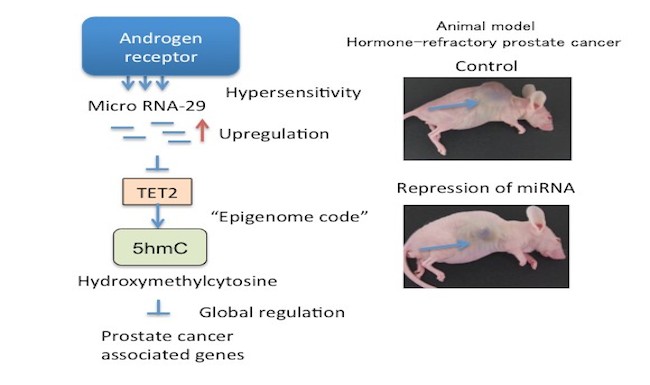
Why Hormone Therapy Becomes Ineffective Against Prostate Cancer
Researchers have identified an miRNA associated with drug-resistant prostate cancer that could be useful as a drug target or diagnostic marker.


