


IN THE LAB

What Makes Some H. pylori Bacteria More Likely To Cause Cancer?
Duplication of the SHP2 binding site in the H. pylori protein CagA increases its binding by a hundred times, elevating the risk of gastric cancer.

Paleo Peach Fossils Discovered In Southwest China
Eight two and half million year old peach pit fossils that predating the arrival of modern humans have been found in Southwest China

Cracking The Chemistry Of A New Anti-Cancer Drug
Chemists have increased the yield of cortistatin A, a potentially useful compound that can treat HIV and certain cancers.

How HPV Hijacks Proteins To Cause Cervical Cancer
Human papilloma viruses use a protein known as EDD1 to destabilize the body's tumor suppressing mechanisms, scientists say.

Parental Absence Might Affect Brain Development
Children left without parental care for six months or more show changes to their brain structure linked to lower IQ.

Stone Man Syndrome Linked To Inflammation
Induced pluripotent stem cells have helped scientists uncover a new mechanism for the development of Stone Man Syndrome, narrowing down the search for much needed therapies.

Scientists Reverse Dog Dementia With Stem Cell Therapy
Using its own stem cells, scientists have reversed the symptoms of an Alzheimer's-like condition in a dog.

Does A Pony See What We See?
Like humans, ponies judge the size of objects using length rather than area, scientists have found.
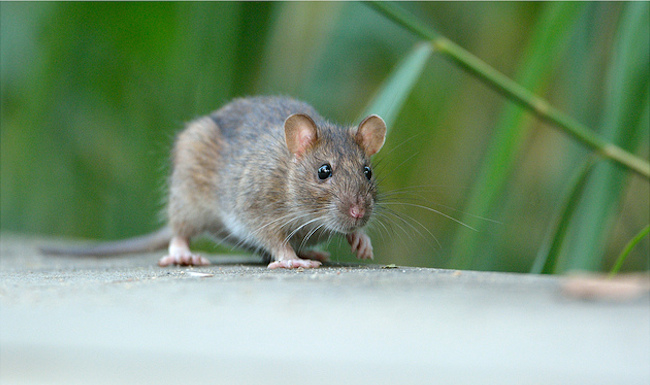
Sniff ‘N’ Track Or Run ‘N’ Scan?
In familiar environments, the ‘run-and-scan’ strategy is a more efficient way of finding food, at least according to mathematical models.


