


IN THE LAB
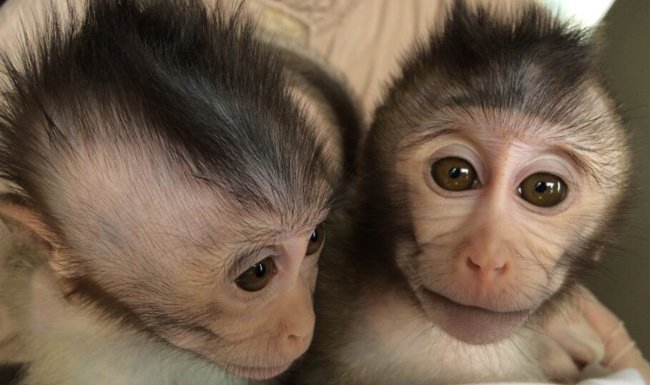
Monkeys Genetically Modified To Show Autism-Like Behavior
A monkey model of autism which more closely mimics the condition in humans could help researchers understand what causes the disease.

How A Velcro-Like Malarial Protein Hijacks Immune System
The structure of the malarial protein involved in rosette formation could help scientists develop treatments for symptoms associated with severe forms of the disease.
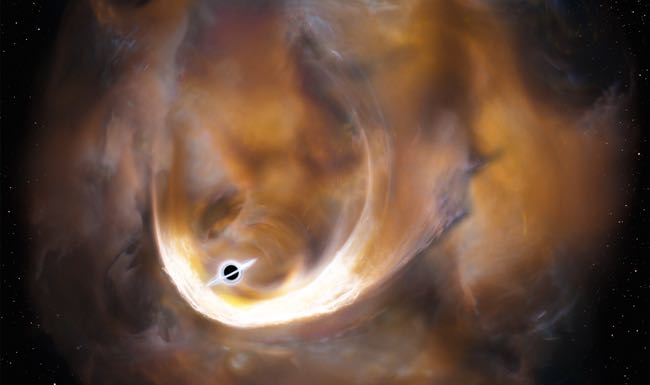
Scientists Detect Signs Of Large Black Hole In The Milky Way
Radio telescopes have identified a possible black hole 100 thousand times the mass of the Sun, hinting at many more “dark” black holes in the Milky Way.

Why Some People Need Less Sleep
Using a newly developed method for monitoring mouse sleep cycles, researchers identified a gene which allows mice to survive on less sleep than normal.

A Microchip That Can Mimic Bone Tissues
This microchip accurately predicts and reproduces the physiological phenomena that occur in human and animal bone tissues.
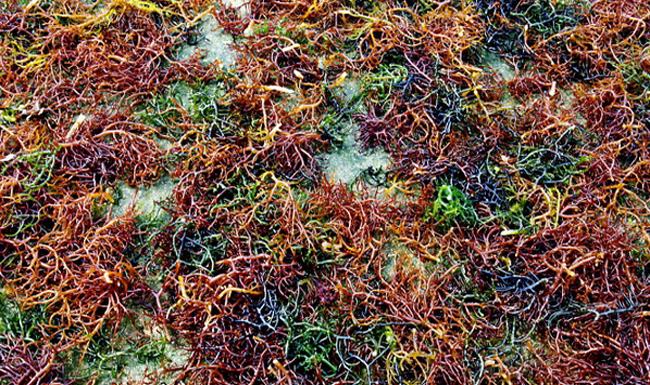
Seaweed Extract May Boost Rice Production
This gamma-radiated seaweed extract can increase rice production by about a third and guard against major pests.
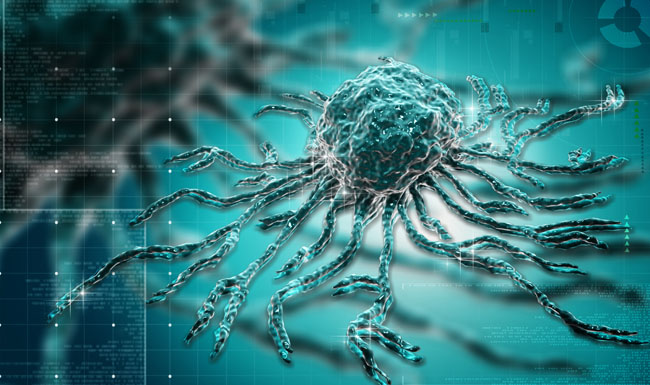
A Cancer Drug That Doesn’t Damage DNA
When coupled with chemotherapy, the small molecule drug PRIMA-1met activates a mutated tumor suppressor gene while also restoring its structure and function.

Introducing The World’s Smallest Nanomagnet
A research group has successfully developed the world's smallest single-digit nanosize hard ferrite magnet for use in magnetic recording media.
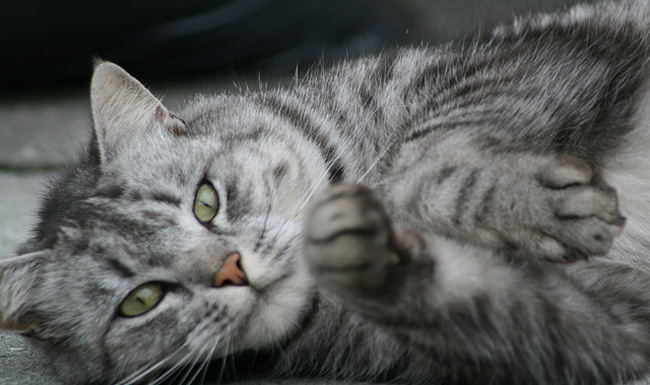
Fish In Cat Food Could Trigger Feline Hyperthyroidism
Fish-flavored cat food, instead of exposure to flame retardants, was found to be a cause of hyperthyroidism in cats.


