


IN THE LAB

How A Virus Peptide Destroys Other Viruses
Researchers have explained how a peptide derived from hepatitis C virus kills a broad range of viruses while leaving host cells unharmed.

Enough Oxygen 800 Million Years Before Animals
The first animals appeared on Earth only 800 million years after there was enough oxygen to support them, researchers say.

Delaying Aging With Nanoparticles In Food
A study in flies suggests that iron oxide nanoparticles in food could potentially enhance lifespan by reducing oxidative stress.

Exotic ‘Four Neutron-No Proton’ Particle Confirmed
For the first time, researchers have confirmed the existence of a unique particle made up of four neutrons and no protons—the tetraneutron.

Melting Our Way Towards Solid-State Batteries
Researchers have developed a method to make all-solid-state lithium batteries that will not catch fire or explode.

Mangrove Deforestation Driven By Rice & Palm Oil Agriculture
Conversion of mangrove forests to land for commodity crops has played a significant role in the deforestation of Southeast Asia.

Uncovering The Secrets Of Ultralow Power Electronics
Researchers are now closer to understanding the unique properties of topological insulators, materials which could be used in low power electronic devices.
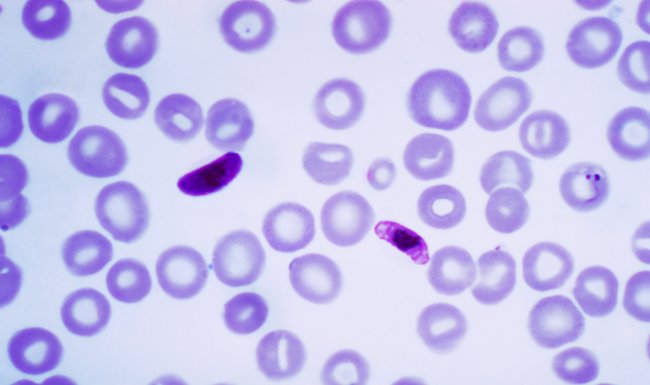
Artemisinin’s Scattershot Approach To Killing Malaria Parasites
The discovery that artemisinin disrupts over 120 parasite proteins could lead to the development of new anti-malarial drugs.

Tiny Seaweed Beads Could One Day Replace Insulin Injections
Microfluidics could help make pancreatic islet transplants more effective for patients with type 1 diabetes.


