


IN THE LAB
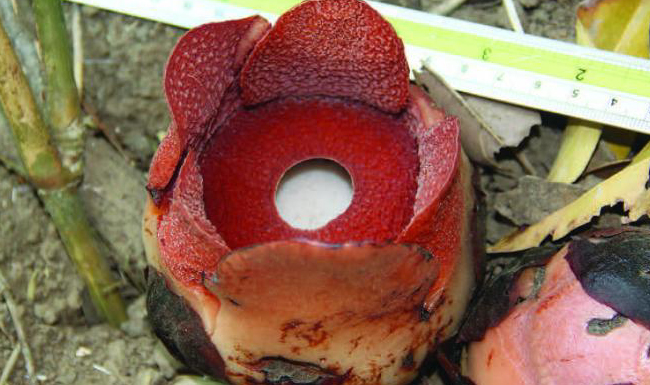
Dwarf Rafflesia Flower Found In The Philippines
Scientists have literally stumbled upon a new dwarf species of the giant Rafflesia that is only 9.73 cm in diameter.

‘Hungry’ Baby Stars Are Messy Eaters
The process of star birth isn't as slow and steady as once thought; rather, it can get very messy indeed.

Genetically Engineered Killer T-Cells That Seek Out Brain Tumors
Researchers have engineered CAR T-cells to specifically identify and destroy brain tumors in mouse models.

Astaxanthin, The All-New Memory Booster Derived From Salmon
Astaxanthin, a red pigment derived from salmon and crustaceans, elevated the learning and memory capacity of mice in a study.

Toe Taste Sensors Help Flies Find Food
Blocking the sweet taste receptors in the legs of fruit flies interferes with their feeding behavior, scientists say.

Neanderthal-Human Interbreeding Occurred Earlier Than Previously Thought
Researchers have identified when Neanderthals and modern humans interbred, and it is tens of thousands of years earlier than previous scientific estimates.

Impatience Could Be A Sign Of Cellular Aging
Impatience and a risk-taking attitude could be indicators of shortened telomeres, which have been linked to aging and risk of chronic disease.

Breaking Bad, Bacteria-Style
Move over, yeast. These genetically modified Escherichia coli bacteria can produce 300 times more thebaine—a morphine precursor—from the same amount of sugar.

Identified: Cocaine’s Targets Downstream Of Dopamine
Researchers have observed the behavior of dopamine in mice that were given cocaine, which activated a signaling pathway that was previously unknown.


