


IN THE LAB

Seawater Analysis Gives ‘Snapshot’ of Fish Distribution
By testing seawater samples for environmental DNA, researchers can accurately predict the distribution and school size of saltwater fish within specific locations in the ocean.

For Macaques, The Popular Girls Have Less Cooties
Female macaques who are more central to their social networks were found to have less lice as they are groomed more often.
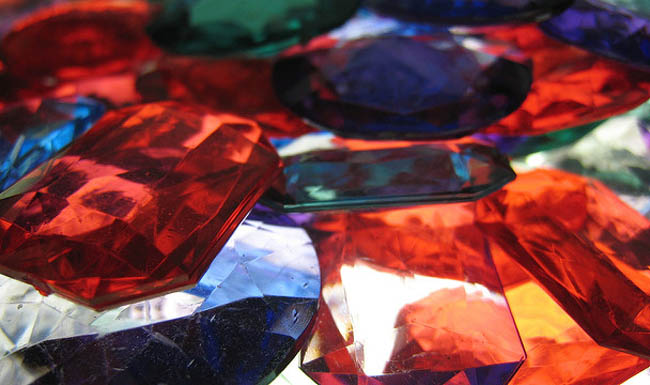
Microwave Heating Can Make Rubies Redder
Researchers in India have found that microwave heating can improve the color saturation, clarity and luster of rubies.
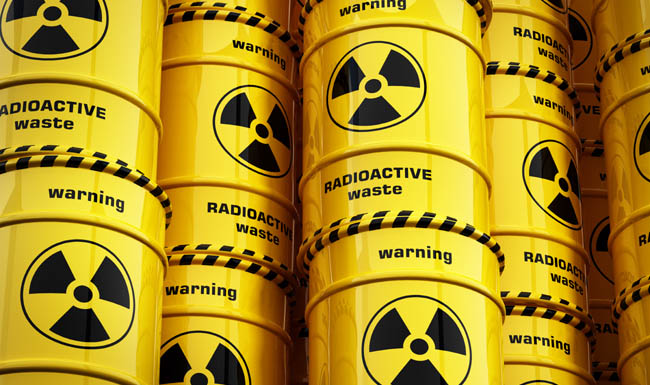
Clearing Radioactive Waste With Light Activated Pumps
In the presence of light, this molecular pump collects and stores cesium—particularly useful for cleaning up after nuclear disasters.
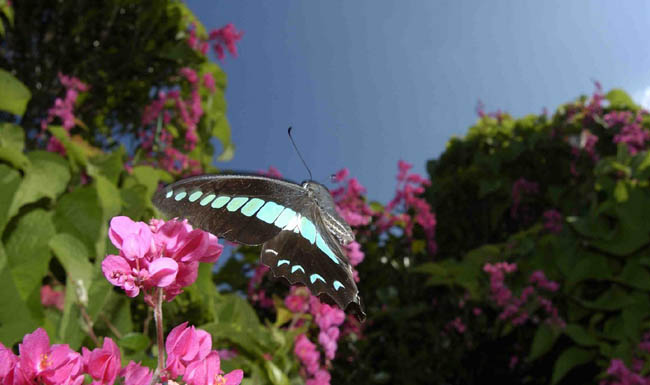
These Butterflies See The World In 15 Shades Of Photoreceptors
Common Bluebottle butterflies have at least 15 different classes of photoreceptors, or light-detecting cells, in their eyes; no other insect has more than nine.

A Potential Biomarker For The Early Detection Of Ebola
Researchers have found an microRNA-like fragment that is detectable in infected patients but not during recovery—suggesting that it could serve as a biomarker for the disease.
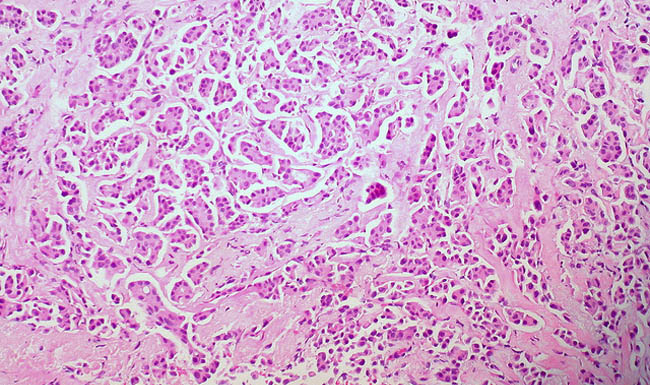
Breast Cancer Cells Accumulate Epigenetic Changes Over Time
Researchers have found that healthy tissue samples taken from women with breast cancer are already ‘marked’ as being susceptible to turning cancerous.

Treating Childhood Leukemia With Fewer Side Effects
Screening for variations in the NUDT15 gene could help reduce the dangerous side effects of a commonly used leukemia drug.

MERS Adapts By Weakening During Outbreaks
To survive in nature and live together with its host during an outbreak, the MERS virus develops mutations that 'weaken' its effects.


