


IN THE LAB

Shape-Shifting Nanorobots Made With DNA And Protein
Researchers have built a cell-sized molecular robot that can change its shape in response to a DNA signal.
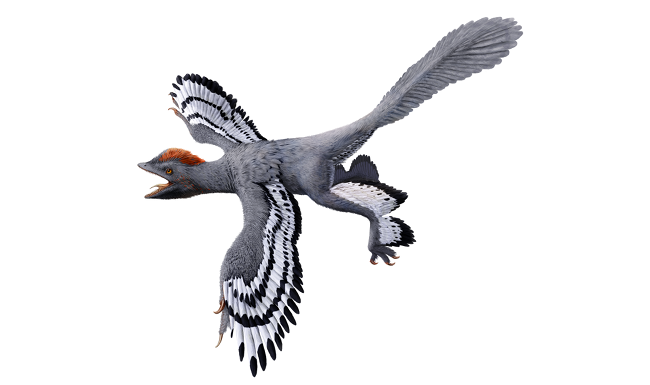
Lasers Make Dino Flesh Glow In The Dark
Laser-stimulated fluorescence has helped scientists reconstruct the soft tissue of a feathered dinosaur, illuminating the mysteries behind the origin of birds.

The Evolving Poetry Of Japanese Color Names
The Japanese words for green and blue are influenced by classical poetry but have also evolved over time.

Graphene Oxide Protects Sperm From Ice
Just a small amount of graphene oxide is sufficient to prevent ice crystals from forming, thereby protecting sperm during cryopreseveration.
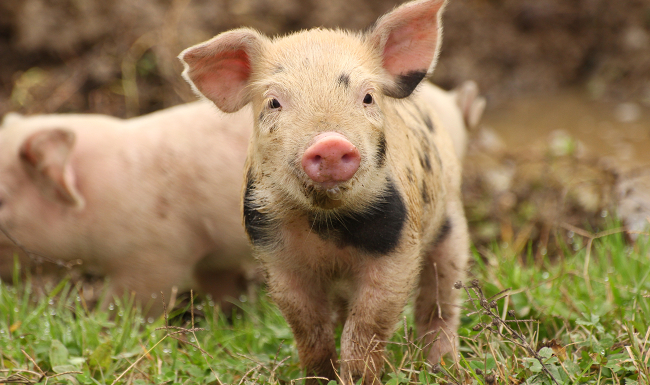
When Is The Best Time To Eat ‘Good’ Fats?
Eating food with long chain polyunsaturated fatty acids during the day might help to lessen the risk of metabolic syndromes, researchers say.
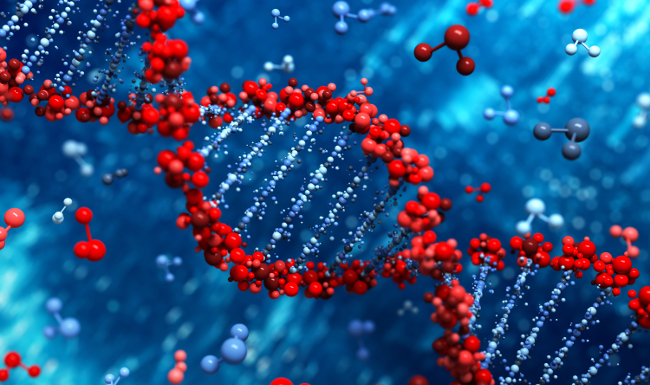
Precise Gene Editing One SNP At A Time
Researchers in South Korea have produced the first transgenic mice using a base editor protein fused to CRISPR-Cas9.
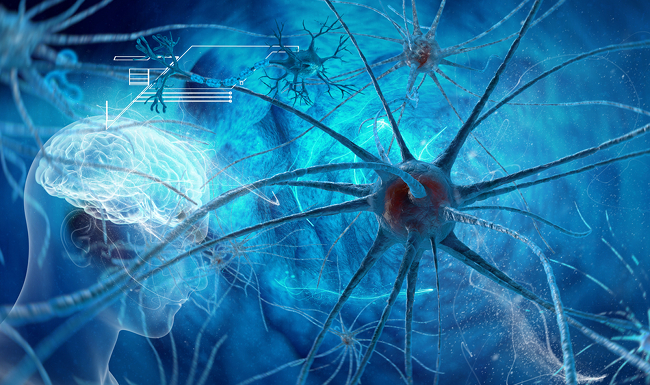
Erasing Fears With Antibodies And Light
By combining the precision of antibodies with toxic oxygen bursts, researchers have inactivated neural proteins to abolish fearful memories in mice.

Seven New Night Frogs Discovered In India
Seven new species of Night Frog—including four miniature-sized species—have been discovered in India's Western Ghats region, a frog hot spot.

Asia’s Bee Mites Alarmingly Resistant
A study of the Tropilaelaps mercedesae genome has revealed that conventional mite control strategies might not work.


