


IN THE LAB

Stem Cells Used For Personalized Liver Drug Screening
Testing cancer drugs on liver cells made from the stem cells of patients could help reduce the incidence of adverse drug responses, researchers say.

For Angkor Wat, Climate Change Is Worse Than Tourists
Millimeter-level satellite data has revealed that increased groundwater usage for tourism has not adversely impacted Cambodia's historic Angkor Wat temple complex.

100,000 Year-Old Skulls Shed Light On The Origins Of Modern Humans
The ancestors of modern humans had features that resembled Neanderthals, according to a study of skull fragments found in China.

Diamond-Focused Laser Sheds Light On The Secret Of The Earth’s Core
Lasers shone through diamonds have revealed that crystallization of silicon dioxide at the core could explain the Earth’s magnetic field.

A Mathematical Approach To Virus Classification
New research supports a structure-based classification system for viruses which could help in the identification and treatment of emerging viruses like Zika.

Making Swimming Less Of A Drag
Researchers in Japan have developed a method for accurately determining drag during different swimming strokes.
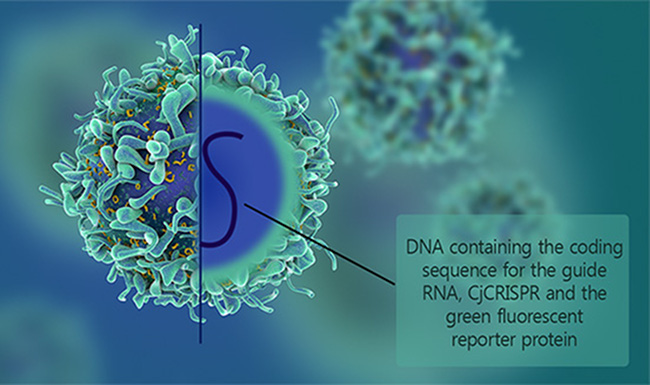
Minimalist CRISPR ‘Gene Scissors’ Make Way For Undruggable Targets
By using a smaller version of Cas9, researchers from South Korea have made it possible to edit genes in the eyes of live mice.

Seeing Saturn Through The Seasons
The Subaru Telescope has produced the highest resolution ground-based views ever made of Saturn’s rings.

Sugar-Coated Catalysts That Work In Live Mice
Carbohydrate structures called glycans could help researchers send metal catalysts to specific tissues without the need for time-consuming antibody development.


