


IN THE LAB
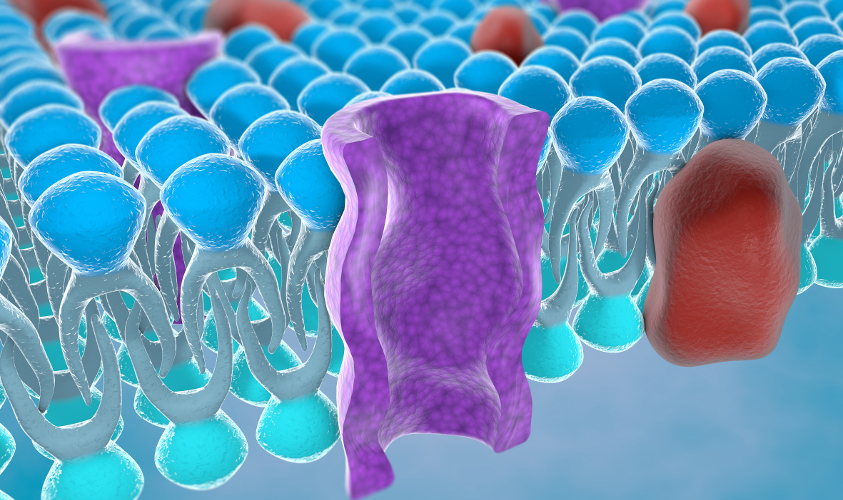
Artificial Membranes To Speed Up Drug Discovery
Scientists in Japan have developed a silicon chip that can act as an artificial membrane for the testing of drug side effects.

Plants Conquered Land 500 Million Years Ago
Scientists in China and the UK have used fossil evidence and genomic data to demonstrate that land plants first appeared about 500 million years ago.

Bacteria Spews Cyanide To Fend Off Predators
A team of scientists in South Korea have revealed how one bacterium inhibits predators with cyanide.

Supercharged Glowing Molecules For Live Bioimaging
Researchers in Japan have engineered a synthetic bioluminescence system allowing them to observe live cells from outside the body.

Catching Autophagy In The Act
Scientists in South Korea have used the fluorescence resonance energy transfer technique to observe autophagy in live cells.

Zombie Algae Reveal How Multicellular Animals Move
Scientists in Japan have used ‘zombie algae’ to better understand how multicellular organisms move in response to light stimulation.

How Lipids Prevent Dry Eyes
Scientists in Japan have discovered that an enzyme responsible for the elongation of fatty acid chains is necessary for keeping the eyes moist and free from infections.

Untangling The Web Of Illegal Wildlife Trade
By analyzing over 370,000 records of wildlife trade between 2004 and 2013, researchers have found that the networks of illegal wildlife trade are more complex than previously understood.

Mutations More Common In Asian Lung Tumors
In Asians, lung tumors are more genetically diverse, with implications for treatment response, according to research by scientists in Singapore.


