


IN THE LAB

Lipids Control Stem Cell Division In The Brain
Scientists have discovered that enzymes involved in membrane lipid synthesis regulate asymmetric division in neural stem cells.
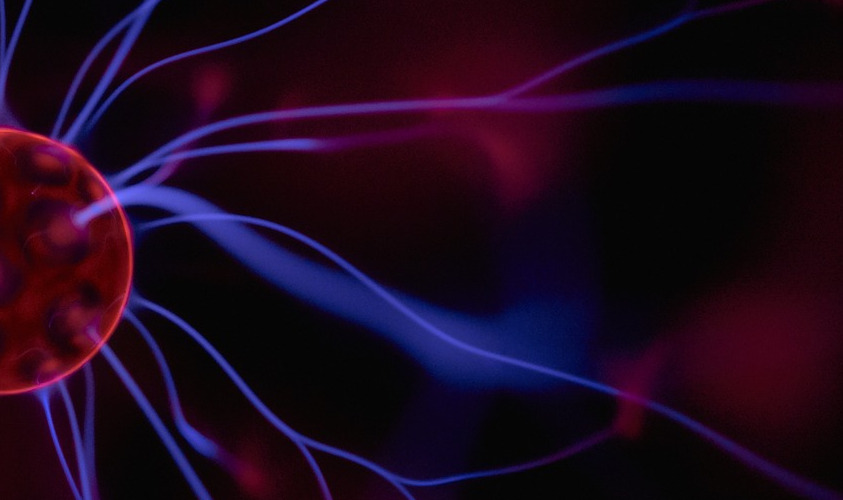
Discovering The Cause Of Electric Wind
Scientists in South Korea have identified the basic principle underlying electric wind in plasma.

Scanning Social Media For Signs Of Domestic Violence
Researchers in China have developed predictive models using data from social media posts to assess the impact of domestic violence on the mental health of victims.

Selectively Creating Useful Ring-Shaped Molecules
With the help of computer simulations, scientists have devised a method to create ring-shaped molecules from inexpensive feedstock chemicals for use in the pharmaceutical industry.

Plants And Animals Fix DNA Differently
Unlike animals, the mechanism of DNA repair in plants is skewed towards homologous recombination and involved in their immune response to fungal infections.

How Whales Eat In Energy Saving Mode
Scientists in Japan have discovered that whales have adapted their feeding behavior to the polluted waters of the upper Gulf of Thailand.

How ‘Grip-And-Slip’ Wires Up The Brain
Scientists in Japan have discovered how axons respond to cues in the environment to change their direction of migration.

Hiding Gene Editing From The Immune System
By using a phosphatase to remove a chemical group on synthetic guide RNAs, scientists in South Korea have made CRISPR-Cas9 less immunogenic and less toxic.

Nanoparticles Make Pesticide Detection Super Sensitive
Using polystyrene coated magnetic nanoparticles, scientists in Singapore were able to detect trace amounts of pesticide on vegetables in less than two hours.


