


Asian Scientist Newsroom

ABOUT
Asian Scientist Magazine is an award-winning science and technology magazine that highlights R&D news stories from Asia to a global audience. The magazine is published by Singapore-headquartered Wildtype Media Group.
Stories by Asian Scientist Newsroom

Crowd Computing Used To Improve Water Filtration
Using the IBM Community Grid, researchers have shown how tiny oscillations in carbon nanotubes can be exploited to filter water.
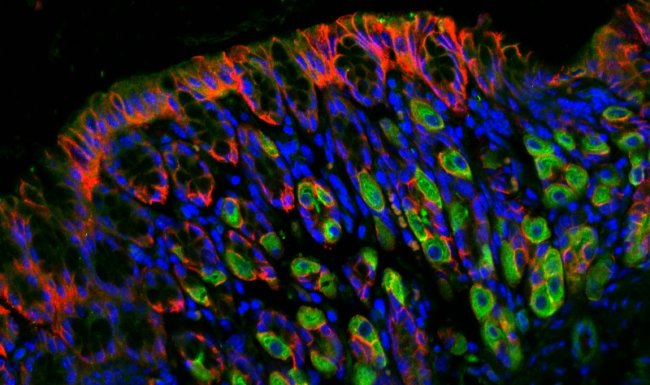
Fusion Gene Drives Subset Of Asian Gastric Cancers
Scientists have identified a fusion gene that causes epithelial damage and increased cell invasiveness, predisposing carriers to gastric cancer.
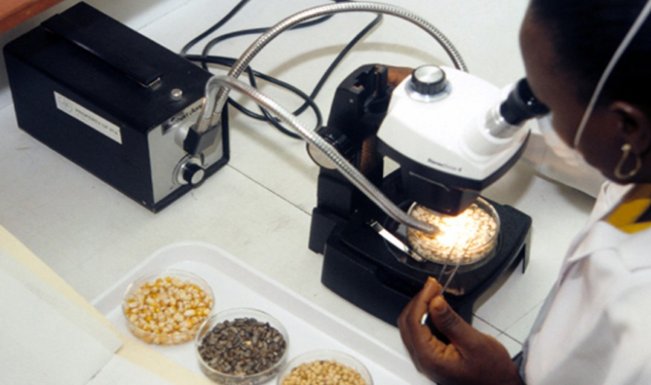
Scientists, Don’t Turn A Blind Eye To Bias
Non-blinded experiments give a 27 percent stronger result than blinded ones, potentially distorting the scientific literature, scientists say.
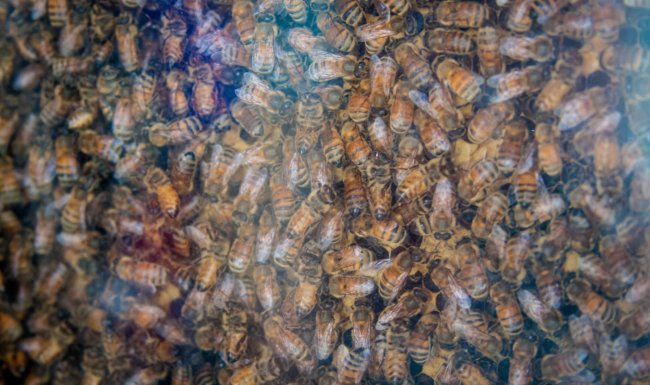
Could ‘Bee Soup’ Reading Save The Bees?
Mitochondrial genome sequencing has made it feasible to track wild bee populations over time, aiding conservation efforts.

Membrane Remodeling Without Energy
Cell membranes instantly and spontaneously form reservoirs to accommodate sudden changes in membrane area.

Bayer & Singapore’s EDB To Foster Translational Research
Bayer Healthcare deepens its existing cooperation with Singaporean institutions, announcing five year plan to launch at least three new joint research projects.

Vaccine Reduces Hypertension In Mice
A DNA vaccine has been shown to effectively lower blood pressure in hypertensive mice, with effects lasting at least six months.

Omnidirectional Wireless Charging Developed
Researchers have overcome a major obstacle in wireless charging with a device that allows charging in any orientation.

Gene Editing Boosts The Efficiency Of Sperm Replacement Cells
Modifying the DNA methylation status of haploid stem cells has helped to improve the number of healthy mouse pups born.