


Asian Scientist Newsroom

ABOUT
Asian Scientist Magazine is an award-winning science and technology magazine that highlights R&D news stories from Asia to a global audience. The magazine is published by Singapore-headquartered Wildtype Media Group.
Stories by Asian Scientist Newsroom

Blue LEDs For Chemical-Free Food Safety
Researchers have discovered that blue LED light could be used to kill common food-borne pathogens without the need for chemical treatment.

Double Crosslinking For Super Strong Hydrogels
Researchers have developed a self-recovering hydrogel with high mechanical strength.

Oral Cholera Vaccine Shown To Be Safe & Protective
The first real-world trials of the Shanchol vaccine showed a 40 percent reduction in the most severe cases of cholera.
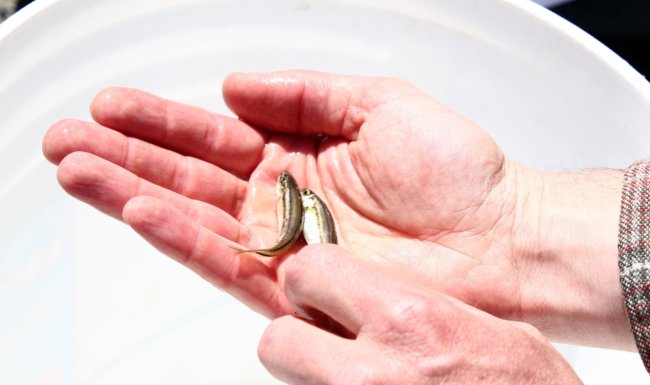
Numbers May Mask Fish Biodiversity Loss
A realistically complex mathematical model of fish ecosystems has shown that increased numbers may mask the loss of biodiversity.

Intense Farming Drying Northern China’s Soil
Agricultural intensification—including increased fertilizer use—is responsible for China's drying soil, not climate change.

Agilent & BTI Collaborate On Glycoprotein Analysis
The Agilent-BTI collaboration will develop the AssayMAP Bravo platform to the analysis therapeutic glycoproteins.
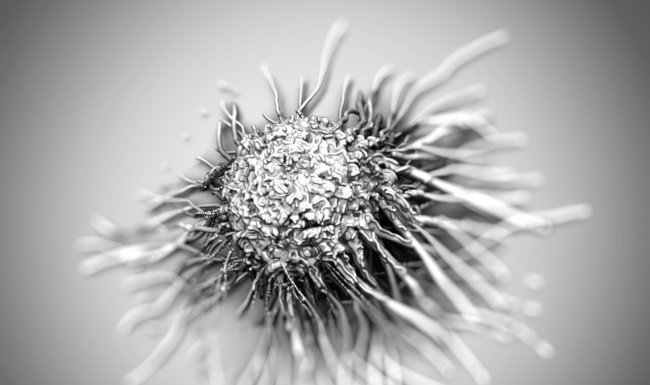
Made-In-Singapore Cancer Drug Advances To Clinical Trials
ETC-159, a Wnt-targeting anti-cancer drug indicated for colorectal, ovarian and pancreatic cancers, has entered a Phase I clinical trial.

Making Lithium Batteries Safer, Tougher & More Powerful
A pumpkin-shaped nanoparticle could help make lithium ion batteries less likely to explode while improving their performance at the same time.

The Physics Of Salad Dressing
Contrary to the assumption that coarsening is driven by Brownian motion, scientists have shown that droplet size influences phase separation.